CIBIL Score , what is CIBIL Score ? A complete guide.

In today’s digital lending world, your CIBIL Score plays a crucial role in determining your financial health. Whether you’re applying for a personal loan, home loan, or a credit card, lenders often check your CIBIL Score before making a decision.Let’s understand what it is, why it matters, and how you can maintain a healthy score.

🧾 What is CIBIL Score?

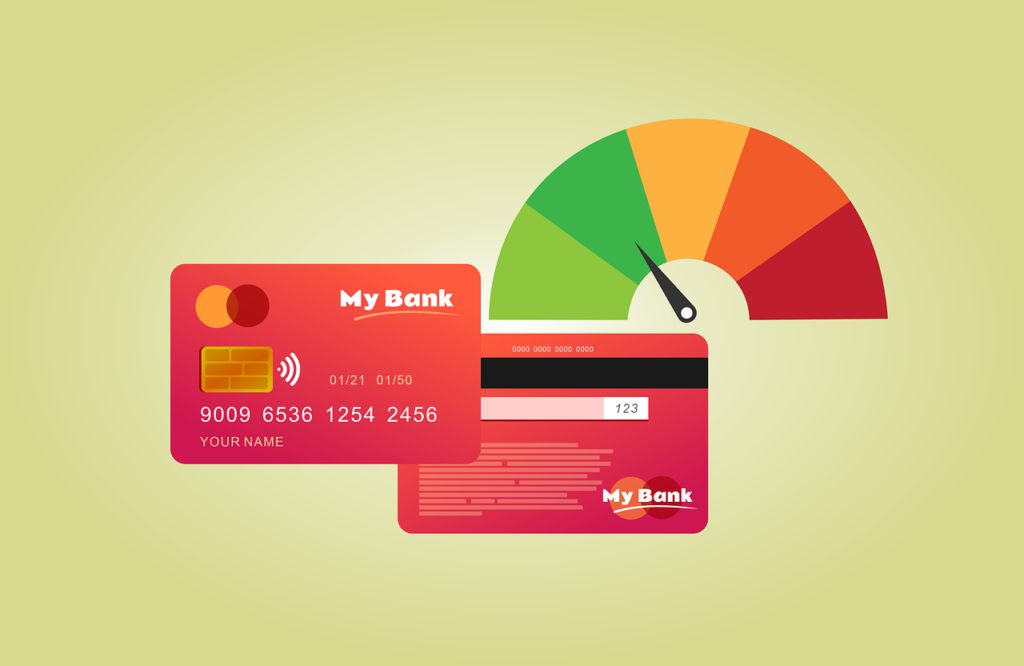
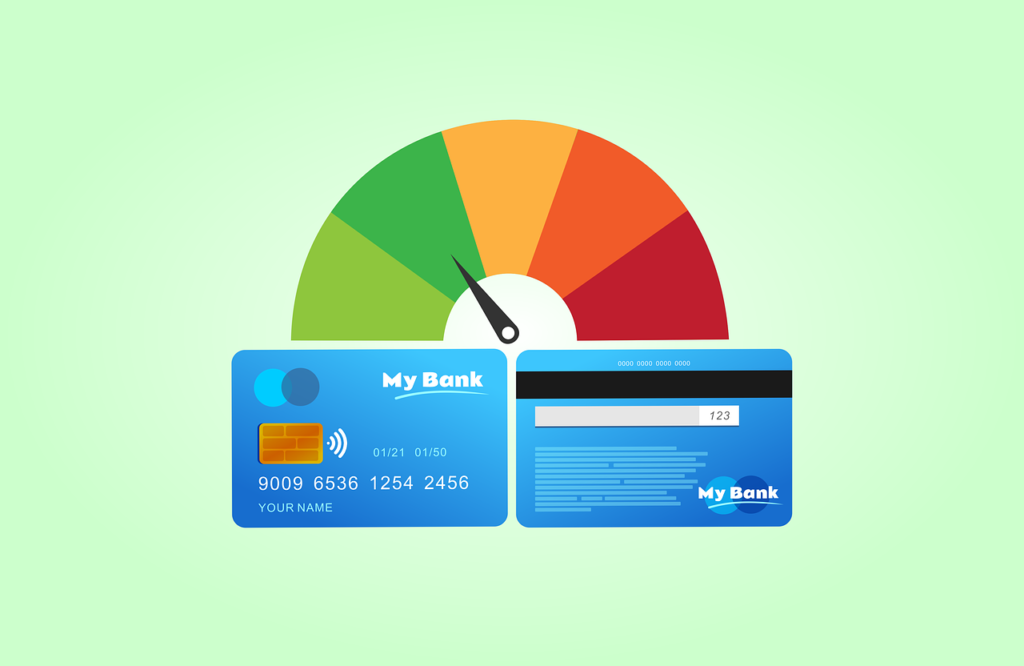
CIBIL Score is a three-digit number (300 to 900) that reflects your creditworthiness — i.e., how likely you are to repay your loans and credit card bills on time. It is issued by TransUnion CIBIL, one of India’s leading credit bureaus.-

300 – 549 = Poor

550 – 649 = Fair

650 – 749 = Good

750 – 900 = Excellent

Tip: A score above 750 is considered ideal for fast loan approvals.

🔍 Why is CIBIL Score Important?

Lenders use your CIBIL Score to: Approve or reject loan/credit card applications – Set your interest rate (higher score = lower interest) – Decide credit limits – Evaluate risk of default

Without a good score, even a small personal loan can be rejected, or offered at high interest.

🧠 How is CIBIL Score Calculated? CIBIL uses several factors to calculate your score:| Factor Weightage

Payment History | 35% || Credit Utilization Ratio | 30% || Credit Mix (Secured vs. Unsecured) | 10% || Credit Age (How long you’ve used credit) | 10% || New Credit Inquiries | 15% |

📉 What Hurts Your CIBIL Score?

Missing EMI or credit card payments – Using over 30–40% of your credit limit – Too many loan applications in short time – Closing old credit accounts (affects credit age) – Defaulting on loans.

✅ How to Improve Your CIBIL Score

1. Pay EMIs & credit card bills on time

2. Use less than 30% of your credit limit

3. Maintain a healthy mix of loans (secured + unsecured)

4. Avoid multiple loan applications in a short span

5. Check your CIBIL report regularly and dispute errors

🔐 How to Check Your CIBIL Score for Free You can check your score once a year for free on the official CIBIL website:

www.cibil.com

Other fintech platforms like Paytm, BankBazaar, and Cred also offer free score checks.

🏦 CIBIL Score vs Credit Score – What’s the Difference?

CIBIL Score is one type of credit score.

There are other bureaus like:

Experian

Equifax

CRIF High Mark

All are valid, but CIBIL is the most widely used in India.

📊 Who Can Access Your CIBIL Report?

Banks and NBFCs (with your consent) – Insurance companies – Credit card providers – You (as an individual)

💡 Quick Tips for a Healthy Score ,

Set auto-pay for EMIs – Keep old credit cards active – Avoid joint loans if the other person is irregular – Check your score every 3–6 months

🗣️ Conclusion

Your CIBIL Score is like your financial reputation. A good score opens doors to better credit, higher loan amounts, and lower interest rates. It’s never too late to start building or repairing it—just be consistent and responsible with your credit usage.
Finance Knowledge ( Pradeep Kumar Das)

GST Reform on Insurance

GST Reform on Insurance: What It Means for You (2025 Update) By [ Pradeep Kumar Das ] | Updated: September 2025

The Indian government has taken a major step toward making insurance more affordable for the common citizen. In a landmark decision, the GST Council has announced a 0% GST rate on individual life and health insurance policies, effective September 22, 2025.This reform is expected to boost insurance penetration*, especially among middle- and lower-income households.

🔍 What Changed?

Until now, insurance premiums attracted 18% GST, which made policies more expensive. For example:

Old Premium: ₹10,000 + ₹1,800 GST = ₹11,800 – New Premium (Post-Reform): ₹10,000 flatThat’s a direct saving of 18% on your premium payment.

✅ Policies That Now Have 0% GST

This reform applies to individual (non-corporate) policies such as:

Term Life Insurance – Endowment Policies – ULIPs (Unit Linked Insurance Plans) – Health Insurance (individual + family floater) – Senior Citizen Health Plans

🎯 Why This Reform Matters The government calls it a “people’s reform”. Here’s why:

Affordability: Reduces premium costs for millions of policyholders – Access: Encourages more people to buy insurance – Simplicity: Reduces complexity in tax structure – Health Focus: Promotes health protection as a priority

⚠️ Impact on Insurance Companies While this move benefits consumers, insurers now have to reverse their Input Tax Credit (ITC) ,meaning, they can no longer claim tax credits on services they use (like marketing, IT, or staffing).This may increase operational costs, and insurers might explore new pricing models or reduce commissions.

💡 What Should You Do Now?

If you already have a policy: Your next premium after Sept 22, 2025, will be GST-free.

If you were delaying purchase: This is the best time to buy life or health insurance at lower rates.

Compare wisely: Even without GST, premiums differ across companies.

compare benefits and claim ratios before choosing.

📊 Quick Recap| Policy Type | Old GST Rate | New GST Rate | Effective From ||————————|————–|————–|——————-|| Life Insurance (Term) | 18% | 0% | 22 Sept 2025 || Health Insurance | 18% | 0% | 22 Sept 2025 |

🗣️ Final Thoughts The GST reform on insurance is a game-changer making protection more accessible, especially for first-time buyers. It also aligns with India’s vision of “Insurance for All by 2047”.Now that premiums are lighter on the pocket, it’s a great time to secure your family’s future.

Debt Management : how to take control of your finance.

Debt Management:

How to Take Control of Your Finances By [Pradeep Kumar Das ] | Updated: September 2025 In today’s fast-paced world, taking loans and using credit cards is common—but uncontrolled debt can quickly become a burden.

Effective debt management helps you take charge of your money, reduce stress, and build a stable financial future.

🔍 What is Debt Management ?

Debt management means planning and managing how you borrow and repay money whether it’s personal loans, credit card dues, or EMIs. The goal is to avoid late payments, reduce interest costs, and stay financially healthy.

✅ Why Debt Management is Important Prevents debt from piling up – Protects your credit score – Reduces financial stress – Helps you save more for future goals – Keeps your monthly budget balanced

🛠️ Top 7 Debt Management Tips

1. Track All Your Debts , List all your loans, credit cards, and EMIs. Note interest rates, due dates, and minimum payments.

2. Create a Realistic Budget Know how much you earn vs. spend monthly. Cut non-essential expenses and prioritize EMI payments.

3. Pay More Than the Minimum On credit cards, always pay more than the minimum due. This saves you from high interest.

4. Prioritize High-Interest Debt Use the Avalanche Method , pay off the loan with the highest interest rate first, while paying the minimum on others.

5. Consolidate Your Loans If you have many debts, consider a low-interest personal loan to pay them off in one go. This simplifies repayment.

6. Avoid New Debt While Repaying Old Don’t take new loans or swipe your credit card for unnecessary purchases while you’re still in debt.

7. Seek Professional Help If you’re overwhelmed, consult a financial advisor or debt counselor. Many banks also offer restructuring plans.

💡 Bonus Tip: Build an Emergency Fund Saving even ₹500–₹1000 per month can help avoid future borrowing in emergencies.

🧾 Useful Tools for Debt Management- Apps: Walnut, Money View, Goodbudget – Spreadsheets:

Use Google Sheets to track your EMIs and payments – Bank Portals: Set up auto-pay or alerts via your bank app —🔚 Conclusion Debt is not always bad—but managing it poorly is With discipline, planning, and awareness, you can stay in control and become debt-free sooner than you think.

The Credit Card and Loan Trap: How to Avoid It , Trapped in Credit Card and Loan Debt? Here’s How to Get Out

Here are the top 8 Ways to Get Out of Debt

Top 8 Ways to Get Out of Debt in (2025 Guide) Pradeep Kumar Das ] , Are you stuck in EMIs, credit card bills, or personal loans? You’re not alone. With rising living costs, many people in India are facing debt stress .But the good news is you can take control.

Here are 8 practical and proven steps to help you get out of debt and regain financial freedom.

1. Make a Clear Monthly Budget

Start by tracking your income and expenses. Write down everything: rent, bills, food, fuel, etc. Cut down on unnecessary items like subscriptions or luxury shopping.Tip: Use free apps like Walnut, Money View, or a simple Excel sheet.

2. Always Pay EMIs on Time Late payments attract heavy penalties and interest. Set auto-pay or reminders to avoid missing due dates.

3. Focus on High-Interest Loans First

Credit cards and personal loans often have interest rates of 18–36%. Pay them off first using the Avalanche Method: Clear the costliest debt while paying minimum on others.

4. Consolidate Your Debt Instead of handling multiple EMIs, take one low-interest personal loan to pay them all. This reduces stress and total interest burden.

5. Boost Your Income Look for part-time gigs, freelancing, tutoring, or weekend jobs. Use any bonus, commission, or gift money to clear debt faster.

6. Sell What You Don’t Need Got a second bike, unused gadgets, or old gold? Sell them and use the money to reduce debt.

7. Be Careful With Credit Cards Use credit cards only for planned expenses. Avoid minimum due trap , always pay full bill.

8. Get Expert Help If Needed If your debt feels unmanageable, talk to a financial advisor or credit counselor. Some banks also offer restructuring options for genuine cases.

✅ Final Thoughts:Getting out of debt takes discipline, planning, and patience but it’s 100% possible.Start with small steps, stay consistent, and soon you’ll be debt-free and stress-free!

How to be Debt Free

Here are some effective ways to get out of debt (loan/credit)

✅ Ways to Get Out of Debt

1. Create a Monthly Budget – Track your income and expenses- Cut down unnecessary spending like eating out, shopping, subscriptions, etc.

2. Pay EMIs on Time – Always pay your loan or credit card EMI before the due date to avoid penalties and extra interest.- Set auto-debit to avoid missed payments.

3. Pay Off High-Interest Debt First- Focus on loans with the highest interest rate first (like credit cards).- This method is called the Avalanche Method.

4. Consolidate Your Debts – Combine multiple loans into one low-interest loan ,It reduces monthly EMI and simplifies payment.

5. Increase Your Income – Take a part-time job , freelancing, or online work.- Use the extra income only to repay debt.

6. Sell Unused Assets – Sell things you don’t need like old gadgets, second vehicle, gold, etc.- Use that money to reduce debt.

7. Use Credit Cards Carefully – Avoid using credit cards for luxury or unnecessary shopping.- Pay full bill , not just the minimum due.

8. Seek Professional Help (if needed) Consult a financial advisor or debt counselor for guidance.

Top 10 Money Saving Apps in india

Top 10 Money Saving Apps :

Want to save more and spend smartly?

These top 10 money-saving apps can help you track expenses, get cashback, find deals, and build better financial habits.

1. CRED –

Use: Pay credit card bills and earn rewards.

Why it saves money: Cashback, discounts on brands, and hidden charges alerts – Bonus: CRED Coins = freebies.

2. Jar

Use: Auto-save daily spare change into digital gold

Why it saves money: Builds a savings habit without effort

Bonus: Start with as low as ₹10/day

3. Groww

Use: Invest in mutual funds, stocks, and FDs Why it saves money: Zero commission, low-cost investing

Bonus: Easy SIP setup for beginners.

4. Paytm Money

Use: Mutual funds, stocks, NPS, F&O ,Why it saves money: Direct plans = higher returns , Bonus: Built-in calculators for goals

5. Money View

Use:* Budget tracking, EMI reminders, credit score – Why it saves money: Helps reduce late fees and overspending ,Bonus: Smart bill tracking.

6. ETMONEY

Use: Smart investment + expense tracking , Why it saves money: Personalized money-saving plans – Bonus: Instant tax-saving suggestions.

7. Zeta

Use: Digital employee benefits like food, fuel, etc. Why it saves money: Tax savings via meal & gift cards – Bonus: Paperless, app-based claims.

8. Cashback & Coupon Apps (Top Picks)

CashKaro – Cashback on shopping – MagicPin – Discounts on local stores, food, fashion – CouponDunia – Coupons for online brands.

9. Walnut

Use: Personal finance tracker -Why it saves money: Categorizes spending, gives alerts – Bonus: Splits bills with friends easily.

10. Goodbudget

Use: Envelope-style budgeting system – Why it saves money: Sets spending limits by category – Bonus: Sync with family or partner.

✅ Final Thoughts From tracking bills to investing spare change, these apps make it easy and smart to save money daily .

Hidden Fees on Credit Card You Should Know

Types of Credit Card

💵 Hidden Fees on Credit Cards You Should Know.

Credit cards offer convenience, rewards, and financial flexibility—but they can also come with hidden charges that catch users off guard. If you’re not careful, these fees can quietly drain your wallet.Here are the most common hidden credit card feesCredit Card Fraud you should be aware of:

💸 1. Annual Fee

Hidden Fees on Credit Card You Should Know Credit Card bill

Many cards charge a yearly fee (₹500 to ₹5,000+) just for owning the card. Some waive it for the first year but apply it from the second year onward.

Tip: Always check if your card has a lifetime free or conditional waiver (like spend ₹1L/year to avoid the fee).

⏳ 2. Late Payment Fee

If you miss the payment due date, you’ll be charged ₹100 to ₹1,000+ depending on your outstanding balance.

Plus: Interest is added on top of the fee from the next day.

⚠️ 3. Over-Limit Fee

If you spend more than your approved credit limit, some banks charge an over-limit fee (usually 2.5% of the excess amount).

🏧 4. Cash Withdrawal Fee

Using your credit card at an ATM? Be careful! You’ll be charged:

2.5% to 3.5% of the withdrawn amount (minimum ₹300)

Interest from day one (no grace period)

🌍 5. Foreign Transaction Fee-

When you use your card abroad or on international websites, banks charge a foreign currency markup typically 3.5% of the transaction.

📉 6. Interest on EMIs

Though EMIs feel comfortable, banks often charge interest (12%–24%) plus processing fees on credit card EMI conversions.

📑 7. Card Replacement Fee

Lost your card? Getting a new one may cost you ₹100 to ₹500 , depending on the bank.

📞 8. Balance Check / Statement

Fees (Offline)

Some banks charge for requesting printed statements or checking balance via phone/SMS too often.

✅ How to Avoid These Charges- Read your card’s terms & conditions carefully – Always pay on time and in full – Use credit cards for planned, affordable purchases- Avoid cash withdrawals and foreign transactions unless necessary- Keep track of reward expiry and offers

Final Tip: A credit card is a great tool— if used smartly. Stay alert, and don’t let hidden fees surprise you.

Latest update on GST , New GST Slab

As of September 2025, the GST Council has introduced significant reforms to simplify the tax structure and enhance compliance. Here are the key updates:

New GST Rate Structure (Effective September 22, 2025) Two-Tier System: The previous four-rate system (5%, 12%, 18%, 28%) has been streamlined into two primary slabs: 5% and 18%. [1]

40% ‘Sin Tax’:* A special 40% GST rate is introduced for luxury and demerit goods such as private aircraft, yachts, and high-end motorcycles above 350cc. [2]

🛒 Consumer-Centric Changes- Essential Goods: Items like ultra-high temperature milk, paneer, and chena are now exempt from GST. [2]

Automobiles: GST on small cars and motorcycles up to 350cc reduced from 28% to 18%, benefiting models like the Royal Enfield Classic 350. [3]

Home Appliances: GST on appliances such as air-conditioners and televisions has been lowered to 18% from 28%. [4]

🏭 Sector-Specific Reforms- Textiles: GST on man-made fibers and yarn reduced from 18% and 12% to 5%, respectively. [2]

Fertilizers: GST on sulfuric acid, nitric acid, and ammonia cut from 18% to 5%, aiding the agricultural sector. [2]

Renewable Energy: Devices like solar panels and wind turbines now attract only 5% GST, down from 12%. [2]

Drones: Commercial drones taxed at 5% GST, while military drones and related equipment are exempted. [5]

🧾 Compliance and Administrative Reforms

Simplified Registration: Small suppliers on e-commerce platforms can now register once for all states, streamlining operations. [6]

Auto Refunds and Prefilled Returns: To be rolled out by October, these features aim to ease the filing process for taxpayers. [6]

💬 Government’s Stance

union Minister Piyush Goyal emphasized that the reduction in GST rates is intended to benefit consumers directly, with industries across sectors assuring the transfer of these benefits. [7]

What is GST

Here’s a simple explanation about GST (Goods and Services Tax)

✅ What is GST ? – GST is a single, indirect tax that replaced multiple taxes like VAT, service tax, and excise duty in India. It is levied on the supply of goods and services and is applicable nationwide.

Types of GST:

1. CGST – Central GST (collected by the central government)

2. SGST – State GST (collected by the state government)

3. IGST – Integrated GST (for interstate transactions)

💡 Key Features:

One Nation, One Tax – Input Tax Credit (ITC): You can claim credit for tax paid on purchases

Collected at every stage of value addition

🏷️ GST Rates in India: 0% Essentials like milk, fresh vegetables – 5% / 12% / 18% / 28% – Varies by product or service type

GST Filing: Businesses must file monthly/quarterly GST returns – Filing is done online via the GST portal

What to do if your Credit Card is stolen or lost

If your credit card is lost or stolen , follow these steps immediately:

🚫 1. Block the Card Immediately – Call your bank’s customer care or use mobile/net banking to block the card – Most banks also offer SMS blocking options.

🆔 2. Report to the Bank – Inform the bank about the loss to avoid unauthorized transactions.- Ask for a confirmation or reference number.

🔄 3. Request a Replacement Card – Apply for a new card with a new number & CVV – Some banks charge a small replacement fee.

📲 4. Check Your Statement – Review recent transactions. If you spot any fraud , report it immediately.

📝 5. File a Police Report (if needed) – In case of large fraud or identity theft, file an FIR it helps in investigation and claim support.

🔐 6. Update Auto-Pay Accounts – If you had bills or subscriptions linked to your old card, update them with the new card details.