Standard Chartered Smart Credit Card Key Features & Benefits

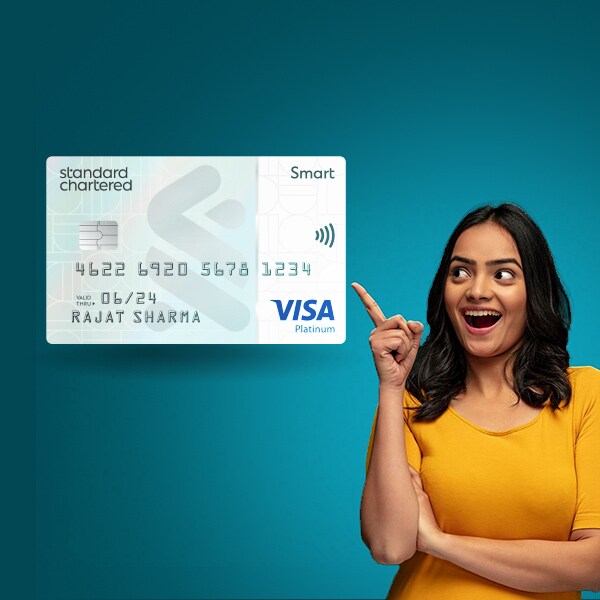
Standard Chartered Smart Credit Card

Standard Chartered Smart Credit Card (SCB Smart Credit Card) What it offers, pros & cons, and whether it’s good for you.

Standard Chartered Smart Credit cards are everywhere now. Many people use them for online shopping, travel, bills, or emergencies. But not all credit cards are equal. Some give good benefits, others come with high fees. The Standard Chartered Smart Credit Card stands out because it is simple, affordable, and gives good rewards.

What Is the SCB Smart Credit Card?

The SCB Smart Credit Card is a cashback credit card from Standard Chartered Bank India. It is meant for people who want decent rewards for everyday spending. The card gives cashback, easy EMI options, and some special offers without complicated conditions. It is not a luxury card. It is more of a value‑for‑money card.

🌟 Key Features & Benefits

Here are the main features you get with this card:

1. Cashback on Online Spends

You get 2% cashback on all online shopping. There is a cap though. You can earn up to ₹1,000 per month* from online spends.

2. Cashback on Offline Spends

For purchases made in stores (other than online), you get 1% cashback, up to ₹500 per month. Fuel spends are not eligible for cashback.

3. Up to ₹18,000 Cashback Yearly

If you fully use these caps (online + offline) each month, you can get up to ₹18,000 cashback in a year. This can reduce your actual cost of spending.Icici bank amazon credit card

4. 90‑Day Interest Free Period

After you receive the card, there is a special period of 90 days where you pay only the minimum amount due on your bill, yet avoid interest on the rest. This helps if you have large bills just after getting the card.

5. EMI Conversion with Low Interest

Big purchases can be heavy on your wallet. This card allows you to convert certain purchases into EMIs (usually 3 months) at 0.99% per month interest. There is no processing fee for this EMI option.

6. Supplementary & Contactless Features

You can get supplementary cards for family members. The card has contactless payment, making small transactions faster. Online security is enhanced with OTP verification (3D Secure) for safe online payments.

7. Rewards Redemption & Flexibility

The cashback earned can be redeemed once you reach certain thresholds. Usually, you need ₹1,000 of accumulated cashback for the first redemption. Then you can redeem in multiples (e.g. ₹500). This helps avoid small‑point frustrations.

8. Fees and Annual Membership

The joining fee is modest: ₹499 + GST. The same for the annual fee. But here’s a good part: the annual fee is waived from the second year if you spend at least ₹120,000 in the year.

⚠️ Things to Know / Limitations

While this card has many good features, there are some things you should consider carefully

Fuel spends are excluded from cashback. So filling petrol may not earn you rewards.

Cashback is capped every month. If you spend more than the cap, you don’t earn more cashback. So high spenders might find limits restrictive.

Interest rate on overdue amounts is high if you don’t pay the full bill by due date, you will be charged interest, which can add up.

Foreign currency transactions (outside India or in foreign currency) have extra charges (mark‑up fee). So travelling or buying from foreign sites costs more.

There are no luxury perks like free airport lounge access, movie tickets, or milestone rewards. It is not a premium card. If you want those, you may need a more expensive card

👤 Who Should Use This Card?

This card is good for people who

Shop often online and want to get rewards against those spends.

Spend some offline too , groceries, shopping, bills so they can use the 1% cashback for offline purchases.

Are trying to build or improve credit history without paying high annual fees.

Want simple rewards rather than complex reward systems.

💳 It may not be ideal for people who:

Travel frequently abroad and need lounge access and travel perks.

Spend a lot on fuel since cashback is excluded.

Want highly premium benefits.

Are looking for a zero annual fee card alwaysAI career impact

if you don’t meet the spend threshold, you will pay the fee.

🔍 How to Get the Most From the SCB Smart Credit CardIf you get this card

here are tips to use it well:

1. Track your online and offline spends every month to hit the cashback caps (₹1,000 online, ₹500 offline).

2. Pay your full bill every month to avoid interest. Don’t just pay the minimum unless needed.

3. Use the EMI conversion option for big purchases to spread cost.

4. Don’t ignore small spends they also count. Sometimes small grocery bills or online subscriptions add up.

5. Make sure you use the card for ₹120,000+ spend per year if you want the annual fee waived.

📊 Example: How Much You Can EarnLet’s say you are a typical user:

You spend ₹20,000 online per month.

You spend ₹10,000 offline per month.

Here is what you earn:

Online: ₹20,000 → 2% cashback = ₹400 (but capped at ₹1,000, so safe) – Offline: ₹10,000 → 1% cashback = ₹100

So each month you earn ₹500. In one year, that is ₹6,000 in cashback. But if you spend more and hit both caps, you could get ₹18,000 per year maximum.

🔧 Fees and Costs to Watch

First‑year joining/annual fee: ₹499 + GST. – Renewal fee will be reversed if you meet spend criteria (₹1,20,000). – Late payment, foreign currency transactions, and over‑limit fees apply if you don’t follow terms. – Cash advance (withdrawing cash using credit card) is costly. Best avoid unless necessary.

🏁 Final Thoughts

The Standard Chartered Smart Credit Card is a good choice if you want a cashback card with reasonable benefits and not too many frills. It works best for people who do both online and offline spending. The caps on cashback are fair for regular usage. The EMI options and interest‑free period are helpful features. The cost (₹499 fee) is low and the waiver condition gives you a chance to avoid it with regular use.If you are disciplined with paying bills on time, tracking spending, and want useful rewards without premium prices, this card will serve you well.

Middle-Class Trap in Credit Cards

Middle-Class Trap in Credit Cards

Middle-Class Trap in Credit Cards: A Silent Debt Cycle ,Credit cards have made life easier for many middle-class families in India and around the world. They allow you to shop now and pay later. But this same feature can become a trap especially for middle-class people who often balance between income and expenses.

The Credit Card Trap

We will talk about how credit cards can silently trap the middle class in a debt cycle, and how to avoid it.Best cashback credit card

What is the Credit Card Trap?

A credit card trap happens when you spend more than you can repay and carry forward unpaid bills to the next month. This unpaid amount keeps growing with high interest and soon, you are stuck paying only interest not the actual bill.It feels like you’re paying every month, but the debt never goes down.

💳 Why Middle-Class People Fall Into the Trap

Middle-class families often have limited income and many expenses — school fees, rent, EMI, medical bills, and more. Credit cards give a sense of relief during financial pressure.But here’s where the trap starts:

1. Spending Beyond Budget

Credit cards make spending easy. With just a swipe, you can buy phones, clothes, or even pay bills. Since there is no immediate cash outflow, many people lose track of spending.

What looks like a small ₹2,000 dinner, a ₹5,000 shopping trip, or ₹10,000 travel booking adds up quickly.

2. Paying Minimum Due Only

Banks give you the option to pay only the “minimum due”, which is usually 5% of your total bill. Many people think this is fine. But the remaining 95% carries forward with high interest (30–40% per year).This creates a debt snowball ,where your debt keeps growing month after month.

3. Multiple Credit Cards

To manage bills, people take multiple credit cards. They use one to pay the other or keep switching between them. This seems smart at first, but it becomes very hard to track, and debt starts increasing silently.

4. No Emergency Fund

Middle-class families often don’t have emergency savings. So, during sudden medical needs or job loss, credit cards are used. But paying these back becomes a challenge without income or savings.

5. Temptation from Offers

Banks offer Cashback, EMI options, Reward points and discounts. These marketing tricks tempt people to spend more. But often, the interest and charges wipe out those rewards.

⚠️ What Happens When You Fall into the Trap

1. High Interest

If you miss even one payment, you pay late fees + interest.

2. Lower Credit Score

Delay in payments affects your CIBIL score.

3.Debt Pressure

Monthly stress increases as bills grow.

4.Mental Health

Financial stress causes anxiety and sleepless nights.

5. No Savings

All income goes in paying bills, no money left for future.

6. Loan Rejection

With a bad credit history, you may not get home or car loans.

Real Example of the Trap

Let’s say Ramesh, a salaried person, earns ₹35,000/month.- He spends ₹20,000 on daily needs. – One month, he uses a credit card to buy a new phone worth ₹15,000.He pays only ₹1,500 (minimum due).Now, ₹13,500 goes to next month with 36% annual interest.Next month, an emergency hits, and he spends ₹10,000 more on the card. Soon, he is paying ₹3,000/month just in interest – but the main amount is not reducing.This is how Ramesh falls into a credit trap.

How to Avoid the Credit Card Trap

✅ 1. Use Credit Card Like a Debit

Never spend more than what you already have in your bank account. Before swiping, ask yourself ,“Can I pay this full amount next month?”

✅ 2. Always Pay Full Bill Not Minimum Due

Pay the total amount due on or before the due date. Minimum payment is just a trap to make you pay interest.

✅ 3. Track Your Spending

Use credit card apps or write down your expenses in a diary. Set spending limits for categories like food, shopping, or travel.

✅ 4. Avoid Impulse Shopping

Don’t buy just because there’s a sale or offer. Ask yourself “Do I really need this?” Wait 24 hours before big purchases.

✅ 5. Keep Only One or Two Credit Cards

The more cards you have, the harder it becomes to manage them. Stick to one card that gives basic rewards and suits your lifestyle.

✅ 6. Build an Emergency Fund

Start saving at least 10% of your income. In 6 -12 months, you should have 3–6 months of expenses saved.

✅ 7. Don’t Use Credit Card for Cash Withdrawal

Withdrawing cash from a credit card comes with very high charges and no interest-free period. Avoid unless it’s a life emergency.

✅ 8. Understand Your Card’s Terms

Read the fine print — interest rates, billing cycle, late fees, and hidden charges. Awareness protects you.

✅ 9. Avoid Paying One Card with Another

This is a dangerous cycle. You are not clearing debt, just shifting it. Look for better solutions like a personal loan or EMI conversion.

✅ 10. Get Financial Advice if Needed

If you are already in a credit trap, consult a financial advisor ,or talk to your bank. Some banks offer balance transfer or settlement plans.

✍️ Final Thoughts

Credit cards are not bad. In fact, they are very useful if used the right way. But for many middle-class people, the lack of financial awareness, emotional spending, and pressure to maintain a lifestyle becomes a dangerous mix.

Credit cards give short-term comfort but can cause long-term pain if misused. Be aware, be disciplined, and don’t fall for the trap.

Live within your means. Spend smartly. Save regularly.

Because money saved is money earned — and peace of mind is priceless.

The Credit Card and Loan Trap: How to Avoid It , Trapped in Credit Card and Loan Debt? Here’s How to Get Out

Here are the top 8 Ways to Get Out of Debt

Top 8 Ways to Get Out of Debt in (2025 Guide) Pradeep Kumar Das ] , Are you stuck in EMIs, credit card bills, or personal loans? You’re not alone. With rising living costs, many people in India are facing debt stress .But the good news is you can take control.

Here are 8 practical and proven steps to help you get out of debt and regain financial freedom.

1. Make a Clear Monthly Budget

Start by tracking your income and expenses. Write down everything: rent, bills, food, fuel, etc. Cut down on unnecessary items like subscriptions or luxury shopping.Tip: Use free apps like Walnut, Money View, or a simple Excel sheet.

2. Always Pay EMIs on Time Late payments attract heavy penalties and interest. Set auto-pay or reminders to avoid missing due dates.

3. Focus on High-Interest Loans First

Credit cards and personal loans often have interest rates of 18–36%. Pay them off first using the Avalanche Method: Clear the costliest debt while paying minimum on others.

4. Consolidate Your Debt Instead of handling multiple EMIs, take one low-interest personal loan to pay them all. This reduces stress and total interest burden.

5. Boost Your Income Look for part-time gigs, freelancing, tutoring, or weekend jobs. Use any bonus, commission, or gift money to clear debt faster.

6. Sell What You Don’t Need Got a second bike, unused gadgets, or old gold? Sell them and use the money to reduce debt.

7. Be Careful With Credit Cards Use credit cards only for planned expenses. Avoid minimum due trap , always pay full bill.

8. Get Expert Help If Needed If your debt feels unmanageable, talk to a financial advisor or credit counselor. Some banks also offer restructuring options for genuine cases.

✅ Final Thoughts:Getting out of debt takes discipline, planning, and patience but it’s 100% possible.Start with small steps, stay consistent, and soon you’ll be debt-free and stress-free!