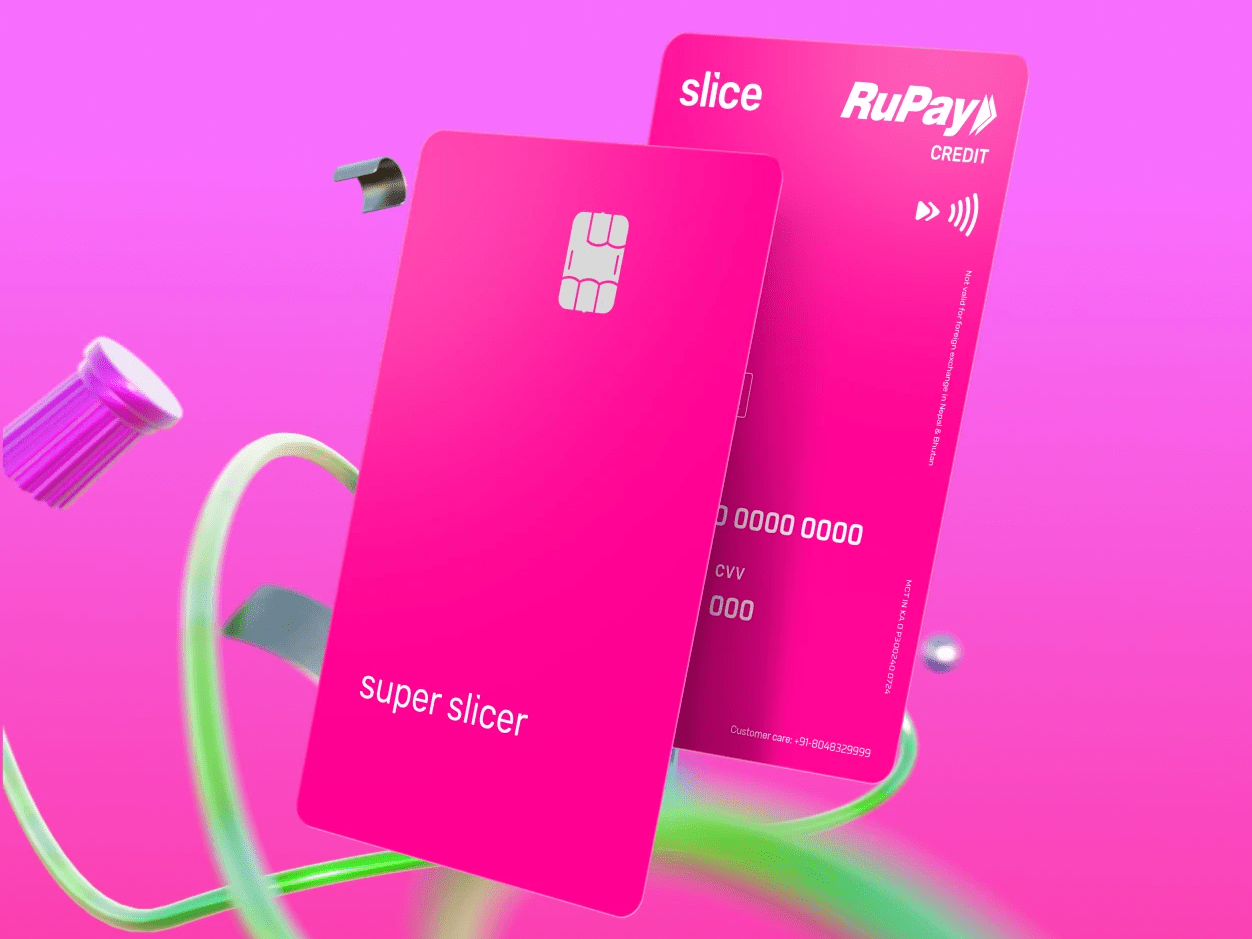
Slice Super Card Review : A Smart Choice for Millennials

Slice Super Card

1. What is the Slice Super Card?

Definition: The Slice Super Card is a credit-like card (BNPL/short-term credit product) designed to help users split purchases into manageable installments, often with a focus on younger users who are building credit history.

Core idea: Access to a revolving or installment-based line of credit to fund purchases now and pay over time, with a user-friendly app experience.

How it’s positioned: Convenience, quick approvals, flexible repayment options, and a social or lifestyle-oriented branding that resonates with students and early-career shoppers.

2. How Slice Super Works

Application flow: Quick digital approval through the Slice app; users may be asked for basic identity verification, income proxy, and consent to soft/hard credit checks depending on regulatory requirements.

Credit line and limits: A predefined credit limit based on eligibility, with possible adjustments over time as you demonstrate repayment behavior.

Repayment options: – Installments: Split purchases into fixed monthly or biweekly payments. – Rolling balance: Some users may maintain a balance and repay flexibly within terms.

Purchase process: When you check out, Slice presents available repayment options; you select a plan and the purchase is funded upfront by Slice, with you repaying Slice accordingly.

Interest and fees: Understand whether the card is interest-free for a promotional period or if there are interest charges, late fees, or processing fees. Always read the terms for merchant-specific offersTypes of Credit Card

3. Who Can Get a Slice Super Card?

Eligibility and Application

Eligibility basics: – Age: Typically 18+ (varies by country and product tier). – Residency: Must live in the country where Slice operates (e.g., India or other markets where Slice is licensed). – Income/Employment: Some proof of income or financial activity, though BNPL products often cater to students or new entrants with minimal income verification.

Required documents: Government-issued ID, proof of address, possibly a selfie for identity verification, and consent for credit checks.

Application steps:

1. Download the Slice app and create an account.

2. Complete profile details (employment, education, contact info).

3. Submit verification documents.

4. Wait for instant or near-instant decision.

5. Review terms, activate card, and start using.

Approval timeline: Many users receive a decision within minutes; some cases may take longer if more documentation is required.

Limitations: First-time users may receive a smaller limit, with potential increases after on-time payments.Financial knowledge

4. Fees, Interest, and Limits: What to Expect

Interest rates: Some BNPL products offer interest-free periods; others may have APR-like rates after promotional periods. Clarify whether Slice Super accrues interest from day one or only after a grace period.

Late fees and penalties: Understand late payment fees, if any, and how grace periods work.

Hidden costs: Cash withdrawal fees, foreign transaction fees, or merchant-specific processing charges (if applicable).

Credit impact: Some BNPL products report to credit bureaus; regular on-time payments can help build credit, while missed payments can hurt it.

Credit limits: Initial limit and how it can be increased (based on repayment history, usage, and platform policy).

Fees overview sample: – No annual fee for basic Tier – Interest-free introductory period of X days on purchases – Late payment fee: $Y or Z% of outstanding amount – Processing fee per transaction: $Z (if applicable)

5. Using Slice Super in the Real World

Online purchases: At checkout, choose Slice as the payment method; pick installment plan and confirm.

In-store use: If supported, tap or scan an associated virtual card or card-linked method.

App features: – Dashboard: track outstanding payments, upcoming due dates, and total spend. – Payment reminders: push notifications and in-app alerts. – Schedule payments: set up autopay or manual payments. – Offers and rewards: promos with partner merchants (if offered).

Payment flows: – When you make a purchase, the amount is allocated to your Slice balance. – You repay Slice according to your selected plan; missed payments may incur penalties or affect credit.

Managing multiple purchases: You can manage several installments simultaneously; ensure you stay within your total credit limit.Finance growth

6. Security, Privacy, and Safety

Data security: App-level encryption, secure identity verification, and compliance with local financial regulations.

Account protection: Strong passwords, biometric login, two-factor authentication if available.

Fraud prevention: Slice may monitor for suspicious activity and require re-verification for unusual transactions.

Dispute resolution: Clear process for merchant disputes, refunds, and chargebacks; contact customer support for transaction issues.

Best practices: – Never share OTPs or verification codes. – Regularly review permissions granted to the app. – Keep contact details updated for notices.

7. Pros, Cons, and Real-World Scenarios

Pros: – Access to credit for first-time buyers or students. – Flexible repayment structure can aid budgeting. – Quick approvals and a mobile-first experience.

Cons: – Potential fees and interest if not paid on time. – Impact on credit score depending on reporting. – Risk of overspending with perceived “instant” financing.

Real-world scenarios: – Scenario A: Paying for a laptop upgrade with interest-free installments if within promotional window. – Scenario B: Dining out with friends and paying back over a few weeks. – Scenario C: Online fashion purchases with flexible monthly installments.

Warning signs: – Maximum utilization close to limit each month. – Repeated late payments or processing errors. – Non-payment leading to collections or credit impact.

8. How Slice Super Compares to Competitors

BNPL vs. credit cards vs. personal loans: – BNPL like Slice Super usually has simpler terms and faster approvals but may have stricter late fee structures. – Traditional credit cards offer revolving credit, broader merchant acceptance, and potential rewards but require higher creditworthiness. – Personal loans provide lump-sum amounts with fixed terms but often require stronger credit history.

Key differentiators: – Age-friendly focus and quick app-based onboarding. – Potential for credit-building reports (depends on country and provider). – Availability of merchant partnerships and promotional offers.

Competitors to consider: – Other BNPL players in the same market – Debit/credit alternatives with installment options – Traditional student or consumer credit cards

9. Tips to Maximize Value and Avoid Common Pitfalls

Before you use Slice Super: – Read the terms and conditions thoroughly; understand fees, interest, and due dates. – Check your budget to determine how much you can responsibly borrow.

While using Slice Super: – Set up autopay to avoid late fees. – Use only for essential or planned purchases to prevent overspending. – Track all installments in one place to avoid missed payments.

Credit health tips: – Make payments on time to build a positive payment history. – Do not exceed a reasonable portion of your credit limit (e.g., stay under 30–40% utilization per cycle if reporting to credit bureaus). – Review your credit report periodically for accuracy.

Maximizing value: – Look for promotional offers, cashback, or merchant deals tied to Slice. – Use the platform’s budgeting or spend-tracking tools.

Red flags: – Frequent calls about unpaid balances; confirm legitimacy if contacted by third parties. – Sudden changes to terms or abrupt limit reductions.

10. FAQs

Q: Is Slice Super the same as a credit card?

A: Not exactly; it’s a BNPL/credit-style product with installments. It may operate similarly to a credit card, but terms vary by provider and country.

Q: Will using Slice Super affect my credit score?

A: It can, depending on whether Slice reports to credit bureaus and how you manage payments.

Q: Can I use Slice Super for everyday purchases?

A: Yes, if merchants accept Slice as a payment option; availability varies by region and partner networks.

Q: What happens if I miss a payment?

A: Late fees may apply; continued non-payment can affect credit and may lead to collections.

Q: How do I contact support?

A: Use the Slice app’s help/support section or official website contact channels.

Final Thoughts

The Slice Super Card can be a convenient way to finance purchases and build payment reliability when used wisely. It shines for first-time borrowers who want a simple, app-centric experience and transparent terms. However, like all credit products, it carries risk: overspending, fees, and potential impact on credit health if mismanaged. Always read the terms, budget carefully, and set up automatic payments to ensure you stay on track.
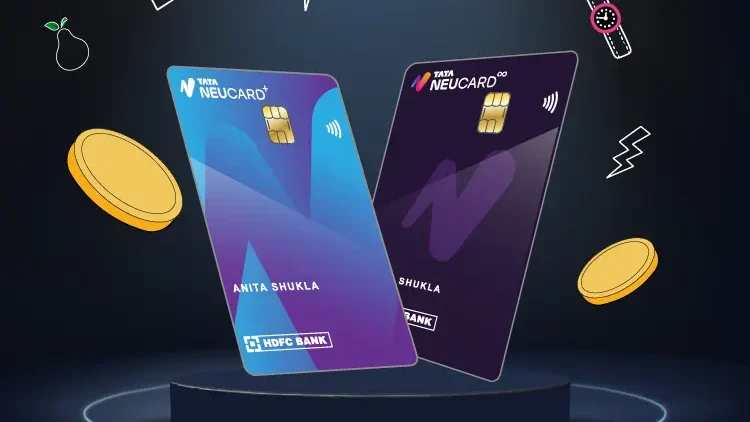
Tata Neu Infinity Credit Card — Features and Benefits

Tata Neu Infinity Credit Card

Tata Neu Infinity Credit Card

The Tata Neu Infinity Credit Card is built for everyday convenience and rewarding experiences. Whether you shop online, dine out, fuel up, or travel, this card aims to give useful rewards and benefits across the Tata ecosystem and beyond.We’ll walk through the card’s main features, benefits, costs, ways to earn and redeem rewards, and tips to get the most value. The language is simple and easy to follow so you can decide if this card fits your lifestyle.

What is the Tata Neu Infinity Credit Card?

The Tata Neu Infinity Credit Card is a rewards credit card issued in partnership with a bank and integrated with Tata Digital’s Neu app. It is designed to give you NeuCoins and other benefits when you spend at Tata brands (like Tata CLiQ, BigBasket, Croma, Westside, and more) and on everyday categories such as groceries, dining, travel, and fuel. The card aims to make shopping more rewarding while offering perks like discounts, accelerated rewards, and payment conveniences.

Key features (at a glance)

NeuCoins on every purchase: Earn NeuCoins for transactions made using the card.

Accelerated earning at Tata brands: Higher NeuCoin rates when you shop at Tata partner stores and apps.

Bonus categories: Extra NeuCoins for groceries, dining, travel, and fuel (depending on the specific card variant and current offers).

Welcome offers: Initial NeuCoins or discounts when you spend a minimum amount within a set period after card issuance.

Milestone rewards: Additional NeuCoins when you achieve certain spending thresholds in a billing cycle or calendar period.

Easy redemption: Redeem NeuCoins for purchases across Tata platforms and partner merchants.

Integrated with Neu app: Track points, use offers, and manage the card within the Tata Neu app.

Contactless payments: Tap-to-pay convenience for small and large purchases.

Card control and security: Freeze/unfreeze card, set transaction limits, and get instant alerts via the app.

Note: Exact reward rates, welcome benefits, and fees can vary by card variant and issuing bank. Always check the latest terms on the Tata Neu app or issuer website.

How you earn NeuCoins

The Tata Neu Infinity Credit Card uses NeuCoins as its primary reward currency. Here is a general idea of how you can earn them

Tata partner spends (highest rate): Shopping on Tata CLiQ, BigBasket, Croma, Westside, and other Tata brands usually earns the most NeuCoins per rupee spent. This is the main advantage if most of your purchases are within the Tata ecosystem.

Grocery and essentials: Some variants give boosted NeuCoins on groceries or everyday essentials.

Dining and food delivery: Extra NeuCoins for eating out or ordering food from partner platforms.

Travel and bookings: Rewards on flight, hotel, or travel bookings through partner channels.

Fuel: Certain card variants may offer smaller NeuCoin returns or fuel surcharge waivers.

All other spends: A base NeuCoin rate on all other purchases outside the bonus categories.

Welcome and milestone bonuses: Earn additional NeuCoins as part of limited-time welcome offers or when you cross spending thresholds.

Example (illustrative only): You might earn 5 NeuCoins per ₹100 at Tata partners, 3 NeuCoins per ₹100 on groceries and dining, and 1 NeuCoin per ₹100 on other purchases. Exact numbers depend on the current product terms.

Where you can redeem NeuCoins

NeuCoins are designed to be redeemed across Tata’s digital ecosystem and partners

Tata Neu app: Use NeuCoins to pay for purchases directly or to get discounts on orders.

Tata CLiQ and BigBasket: Redeem on groceries, fashion, electronics, and home essentials.

Croma and Westside: Use for electronics, apparel, and lifestyle shopping.

Partner merchants: Select partners may allow NeuCoin redemptions or combined cash + NeuCoin payments.

In-app payment options: NeuCoins can often be used as partial or full payment in the app checkout.

Redemption value: The value of each NeuCoin (for example how many NeuCoins equal ₹1) can vary by offer and merchant. Check the Neu app for the latest conversion and promo-based redemption rates.

Additional benefits

Welcome offers and limited-time deals: New cardholders often get a sign-up reward if they spend a certain amount within a specified period.

Milestone bonuses: If you spend a set amount in a month or year, you could get extra NeuCoins or cashback.

Exclusive partner offers: Periodic discounts or extra rewards at select brands and services.

Contactless and secure payments: Enhanced convenience and safety for tap-to-pay transactions.

Fuel surcharge waiver: Some cards waive a portion of the fuel surcharge at petrol pumps (check terms).

EMI and payment flexibility: Convert large purchases to EMIs through the card, sometimes with zero or low interest offers during promotions.

Customer support: Support through the issuing bank and Tata Neu digital channels.

Fees and charges (what to expect)

Credit card fees can change frequently, so the exact numbers will depend on the card version and issuing bank. Common fees include

Joining or issuance fee: Some premium variants may charge a one-time fee.

Annual fee: Most credit cards charge an annual fee, sometimes waived on meeting a minimum annual spend.

Interest rates: If you carry a balance, interest will be charged on the outstanding amount at the card’s finance rate.

Late payment fees: Penalties for missed minimum payments.

Cash withdrawal fee: Fees when you withdraw cash using the card at ATMs.

Foreign transaction fee: Charges on transactions made in foreign currency, unless a variant specifically waives or reduces such fees.

Tip: Compare the annual fee with the value you expect to gain from rewards. If the card’s annual cost is offset by the NeuCoins and perks you’ll realistically earn, the card can be worth it.

Practical examples (how rewards add up)

Example 1 — Weekly groceries on BigBasket:

Suppose you spend ₹6,000 per month at BigBasket and the card gives high NeuCoins at Tata partners.

Over a year, this consistent spending can add a significant NeuCoin balance to redeem for groceries or other needs.

Example 2 — Monthly electronics purchase at Croma:

Buying gadgets or accessories occasionally at Croma earns premium NeuCoins and can also give early access or special discounts during sales.

Example 3 — Dining and food delivery:

Dining out or ordering food using partnered services can give extra NeuCoins, which you can use later on essentials.

These examples illustrate how the card rewards regular behavior and targeted spending within the Tata ecosystem.

Tips to maximize value

Concentrate Tata-brand spending on the card: Use the Tata Neu Infinity card whenever you shop with Tata partners to earn the highest NeuCoin rates.

Track offers in the Neu app: The app often lists limited-time accelerators, partner discounts, and flash deals.

Meet milestone thresholds: If your spending pattern allows, target milestone bonuses to boost NeuCoin earnings.

Redeem smartly: Use NeuCoins when the conversion or discount is most favorable (the app sometimes shows boosted redemption options).

Pay in full each month: Avoid interest charges which can outweigh reward value. Pay the full statement amount to benefit fully from earned rewards.

Keep an eye on fees: If the annual fee is high, calculate whether the rewards you receive exceed the fee.

Combine with merchant sales: Use the card during Tata marketplaces’ sale events for stacked savings (discount + NeuCoins + cashback).

Potential downsides

Best value limited to Tata ecosystem: If you rarely shop with Tata brands, the card may not offer top-tier value for your spending habits.

Variable reward value: NeuCoin valuation and redemption rates can change, affecting the real value of rewards.

Fees and interest: Carrying balances or missing payments can negate reward benefits due to interest and fees.

Offer complexity: Multiple promotions, tiers, and expiry rules for NeuCoins may be confusing until you get familiar with the app.

Final thoughts

The Tata Neu Infinity Credit Card is attractive if you engage regularly with Tata’s stores and digital services. It rewards loyalty within the Tata ecosystem and makes it easy to earn and redeem NeuCoins for everyday needs. Like any credit card, the net benefit depends on your spending patterns, how often you shop at partner stores, and whether you pay your card in full each month to avoid interest.

If you shop often with Tata brands: This card can be highly rewarding.

If you don’t: Compare other general-purpose reward or cashback cards that may better match your spending categories.Before applying, read the latest terms and conditions, check current reward rates, welcome offers, and fees in the Tata Neu app or on the issuer’s website to make an informed decision

Tata Neo Card: Features and Benefits

Tata Neo Card

Tata Neo Card: Features and Benefits

1) What is the Tata Neo Card?

The Tata Neo Card is a credit card issued by Tata (the Tata Group) in collaboration with a bank and a payments network. It’s designed to be convenient for day-to-day spending, with rewards, discounts, and various perks. Think of it as a tool to pay for purchases, earn rewards, and access special offers from partners.

Key idea: A credit card lets you borrow money up to a limit and pay it back later, often with interest if you don’t pay in full.

2) Who is this card for?

Everyday shoppers:People who buy groceries, fuel, online, and offline purchases.

Rewards lovers: If you like earning points, cashback, or discounts on things you already buy.

New-to-credit builders:If you’re looking to build or improve your credit history (with responsible use).

Smart savers: Those who want access to exclusive Tata-related offers, experiences, or member benefits.

Note: Always check the eligibility criteria and ensure you can meet the spend, payment, and age requirements.CIBIL score tips

3) Core features you’ll typically find

3.1 Welcome offers and sign-up rewards

One-time welcome bonus: Some Tata Neo Cards offer bonus points or instant discounts after you spend a certain amount in the first few months.

Intro APR or 0% periods: A few cards may have a short period where purchases don’t accrue interest (depending on the issuer).

3.2 Rewards and earning categories

Reward points or cashback: Earn points per ₹ spent on eligible transactions.

Boosted earns on select categories: Higher rewards on categories like groceries, fuel, dining, online shopping, or Tata ecosystem purchases.

Flexible redemption: Use points for statement credit, gift vouchers, merchandise, or partner offers.

3.3 Cashbacks and statement creditsIcici bank amazon credit card

Direct cashback: A percentage of eligible spends credited back to your account.

Statement credits: Offsets against your monthly bill for specific buys or partners.

3.4 Fuel, groceries, and everyday categories

Category-based rewards: Some cards provide extra points or higher cashback on fuel, groceries, or daily essentials.

Contactless payments: Tap-and-go for quick, secure transactions.

3.5 Tata ecosystem benefits

Partner offers: Discounts or exclusive deals with Tata services, retail partners, and experiences.

Loyalty integration: Earn or redeem points across Tata brands or partner programs.

3.6 Insurance and protections

Purchase protection: Coverage for a limited time against damage or theft.

Extended warranty:Extra warranty on eligible purchased items.

Travel accident insurance: Some cards offer coverage when you travel (check limits and eligibility).

3.7 Cardholder services

Concierge or customer support: Help with card-related questions, disputes, or lost card replacement.

Digital wallet compatibility: Add your card to Apple Pay, Google Pay, or other wallets.

Online account management: Track spending, rewards, and statements online or via a mobile app.

3.8 Safety and security features

Chip and PIN, EMV security: Standard in most cards for secure transactions.

Fraud monitoring: Alerts and protections to detect unusual activity.

Lock/unlock card: Optional feature to temporarily lock the card if you misplace it.

4) How rewards and redemption usually work

Earning points: For every ₹1 spent, you earn a certain number of points. Some categories may offer higher rates.

Redeeming points: Points can usually be redeemed for: – Statement credits against your balance – Gift vouchers or merchandise – Partner experiences or services – Cash back or discounts at specific merchants

Expiry and limits: Some programs have points that never expire; others have expiry or minimum redemption thresholds. Always check terms.

Transfer options: Some cards let you convert points to airline miles or hotel programs, though this varies.

Tip: Keep an eye on the best value redemptions. Sometimes a small difference in redemption value can save you more money.

5) How to use the Tata Neo Card wisely

Pay on time, every time: Always try to pay your statement in full to avoid interest charges.

Budget and track spending: Use the card’s app or your bank app to monitor categories and avoid overspending.

Maximize rewards: Use the card for the purchases that earn the most points or cashback, but don’t buy things you don’t need just to earn rewards.

Meet minimum spend for offers: If there’s a welcome offer, ensure you meet the required spend within the timeframe.

Check merchant eligibility: Some offers or rewards apply only to specific merchants or online vs. in-store purchases.

6) How to decide if the Tata Neo Card is right for you

Ask yourself these questions: Do I already shop with Tata partners or brands where I could leverage offers?

Do I pay my balance in full every month, so I can avoid interest?

Will the annual fee be offset by rewards and discounts I’ll use?

Am I comfortable with the terms of rewards, fees, and redemption options?

If you answered yes to most of the questions, the Tata Neo Card could be a good fit. If you’re unsure, you can start with a no-annual-fee card or a lower-fee option to test the waters.

Final thoughts

The Tata Neo Card can be a helpful companion for people who spend regularly in the Tata ecosystem or who want a straightforward way to earn rewards on everyday purchases. Like any financial product, its value depends on your spending habits, how well you manage the card, and whether the rewards and benefits align with what you actually use

OneCard Features and Benefits: A Simple, Understandable Guide

OneCard Features and Benefits

OneCard Features and Benefits

If you’re looking for a card that’s easy to use and helpful in everyday life, OneCard might be a good option. This guide explains the features and benefits in simple sentences. It’s written so you can understand it quickly.

What is OneCard ?

OneCard is a payment card. It can be used to pay for things in stores and online.

It often works with a mobile app. You can manage your card from your phone.

The goal is to make payments easy and secure. It’s built for everyday purchases and budgeting.

OneCard Key Features

1) Easy Sign-Up

Hassle-free enrollment: You can apply with basic information.- Fast approval: Some users get quick decisions.- Digital-first: Often, you can complete the process online.

2) Simple Rewards (If Available)

Cashback or points: You can earn rewards on purchases.- Everyday categories: Rewards may apply to groceries, gas, and dining.- Clear redemption: Redeem rewards easily in the app or on the card.

3) Real-Time Alerts

Instant notifications: You’ll know when you make a purchase.-Budget help: Alerts can remind you of your spending.- Security feature: Alerts can help catch unauthorized use quickly.

4) Flexible Payment Options

Full or partial payments: You can pay your balance in full or in parts.-Grace periods: Some plans offer a grace period for new purchases.-Payment reminders: The app can remind you when a payment is due.

5) Digital Wallet Compatibility

Apple Pay, Google Pay, and more: You can add OneCard to your wallet.-Contactless payments: Pay by tapping your phone or card.- Fast checkout: Quick payments at many stores.IDFC FIRST Millennia Credit Card

6) Strong Security Features

Two-factor authentication (2FA): Extra layer when you sign in.- Freeze/unfreeze option: Stop transactions if the card is lost.-Secure encryption: Data is protected when you use the card.

7) Budgeting Tools

Spending insights: See where your money goes.-Category tracking: Break down spending by category (food, transport, etc.).-Goals: Set saving goals and track progress.

8) Customer Support

Help center: Articles and FAQs for common questions.- Chat or phone support: Real people to help you.- Fast issue resolution: Aim to fix problems quickly.

9) Card Management in App

View balance and transactions: See what you’ve spent.- Set limits: Control how much you can spend.- Update personal details: Change your address or contact info easily.

10) Accessibility and Ease of Use

Clear statements: Easy-to-read monthly bills.- Low fees (if any): Some cards have few or no annual fees.- User-friendly design: Simple menus and steps in the app.

OneCard Benefits for Everyday Life

1) Convenience

Automatic payments: You can set up bills to be paid automatically.

One card for many purchases: Use the same card for groceries, gas, and online shopping.

Quick checkouts: Tap or click to pay fast.

2) Better Budgeting

Track spending in real time: See new purchases right away.

Understand your habits: Look at which categories you spend most in.

Set limits: Prevent overspending by setting daily or monthly caps.

3) Greater Security

Lost card protection: Freeze the card if it’s missing.

Fraud alerts: Get alerts for suspicious activity.

Secure online purchases: Extra protections when you shop online.

4) Rewards that Add Up

Earn as you spend: Rewards accumulate with everyday buys.

Redeem for value: Use rewards for statement credits, gift cards, or merchandise (depending on the program).

Boosts for popular categories: Some months may offer higher rewards on certain categories.

5) Helps with Credit Building (If Reported)

Build a credit history: Regular, on-time payments can help your credit score.

Credit tracking: Some services show your score and how it changes.

6) Financial Independence

Manage money on your terms: Do not rely on cash only.

Track goals: See progress toward savings or debt repayment.

Who Might Benefit Most

New credit users who want an easy sign-up and clear app experience.CIBIL score tips

Busy shoppers who appreciate quick, contactless payments.

Budget-conscious people who want spending insights and limits.

People who travel or shop online and want strong security features.

Things to Consider Before Getting OneCard

Fees: Check for annual fees, foreign transaction fees, and late payment fees.

Interest rates: Know the APR for purchases and cash advances.

Rewards structure: Make sure the rewards fit your spending patterns.

Availability: Some features may vary by region or country.

Credit impact: Opening a new card can affect your credit score.

How to Make the Most of OneCard

Set up alerts: Enable purchase and balance alerts.

Link to budgeting tools: Use any available category tracking.

Pay on time: Try to pay at least the minimum due, or more to avoid interest.

Plan big purchases: Schedule large buys if the card offers a grace period or promotional financing.

Review statements: Check for errors and unauthorized charges.

Simple Step-by-Step: Getting Started

1) Check if OneCard is available in your country.

2) Prepare basic information: ID, address, income (if required).

3) Complete the online application.

4) Confirm your identity if needed.

5) Receive your card or activate it in the app.

6) Add the card to your digital wallet (optional).

7) Set up alerts and budgeting features.

8) Start using the card for everyday purchases.

9) Track rewards and statements monthly.

10) Pay on time and adjust settings as needed.These 20 Sentence will help You in Your Growth

Final Thoughts

OneCard aims to be simple and useful for everyday life. It blends easy enrollment, real-time awareness, secure features, and rewards that can add value over time. If you want a card that helps you spend wisely and stay in control of your money, OneCard could be worth considering. As always, read the specific terms and conditions for the exact card you’re interested in to understand fees, rewards, and rules

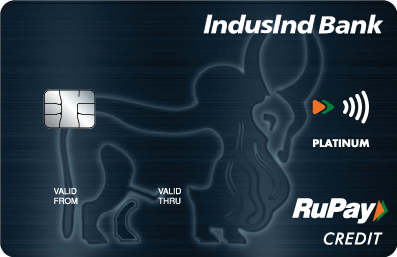
IndusInd Platinum RuPay Card: Features, Benefits, and Why It Could Be Your Go-To Credit Card

IndusInd Platinum RuPay Card

If you’re on the lookout for a premium yet practical card that blends robust lifestyle perks with solid everyday value, the IndusInd Platinum RuPay Card deserves a closer look. It’s designed to offer a balanced mix of reward earn rates, lifestyle privileges, and sensible spends across categories that matter to today’s cardholders. Below is a comprehensive 1500-word guide to its features, benefits, who it’s best for, and practical tips to maximize value.

1) Understanding the Basics: What is the IndusInd Platinum RuPay Card?

Brand and Network: This card is issued by IndusInd Bank and runs on the RuPay network. RuPay is India’s domestic card network, offering competitive acceptance and favorable processing costs for cardholders.CIBIL score tips

Tier and Positioning: The Platinum level positions itself as a premium consumer card with enhanced rewards and lifestyle privileges without the complexity of ultra-premium segments.

Target Audience: Ideal for salaried professionals, families, and individuals who regularly spend on groceries, dining, fuel, and lifestyle experiences and want a straightforward rewards structure with tangible benefits.

2) Key Features at a Glance

-Welcome/Sign-Up Benefits: Many banks, including IndusInd, run introductory offers such as welcome rewards points or accelerated earn rates for the first few bills or for the first transaction. Check the current campaign as offers may change quarterly.

Annual Fee: The Platinum RuPay Card typically has an annual fee aligned with premium-but-accessible cards. Some offers may waive the annual fee on meeting certain annual spend criteria.

Interest Rates and Financing: Like most credit cards, it carries an interest rate on carried balances. Always pay your statement balance in full to avoid interest charges.

Earn Rate and Rewards: Points or rewards for everyday spending across categories. The exact earn rates can vary, but you can expect enhanced returns in common categories such as: – Groceries and supermarkets – Fuel – Dining – Travel bookings or entertainment – Online shopping

Redemption Options: Rewards points can typically be redeemed for: – Merchandise and gift vouchers – Statement credits – Air miles or travel vouchers (sometimes via partner portals) – Exclusive experiences or events

Fuel Surcharge Waivers: Some RuPay cards provide fuel surcharge waivers; check if this particular variant includes it, as it’s a common perk in Indian cards.

Insurance & Protection: Many cards come with basic protections such as purchase protection, extended warranty on purchases, lost card liability coverage, and sometimes complimentary air accidental insurance for travel.

Foreign Currency Usage: RuPay cards can be used for international transactions, but rewards and benefits abroad may differ from domestic usage; verify cross-border support and any additional charges like foreign transaction fees (FX markup).Amazon Pay ICICI Bank Credit Card

Contactless Payments: Most modern RuPay cards support contactless payments, making quick tap-and-go transactions convenient for small-ticket purchases.

Chip and PIN Security: EMV chip with a PIN provides secure offline and online authentication for payments.

3) In-Depth: What Makes the IndusInd Platinum RuPay Card Stand Out

a) Simple Rewards Structure

Earn Simplicity: The Platinum RuPay card aims to deliver a straightforward earn-rate structure across commonly frequented categories. This makes it easier to plan your redemption strategy without needing to track dozens of promos.

Tiered Categories: Expect higher earn rates in everyday spend areas (groceries, fuel, dining) with respectable rates on other spends like travel or online shopping.

b) Lifestyle Perks and Privileges

Dining Benefits: Premium cards often incentivize dining with accelerated points or occasional dining savings. This is particularly valuable for families and weekly dining habits.-

Entertainment and Experiences: Access to curated events or exclusive experiences can be a differentiator for those who enjoy culture, concerts, or social experiences.

Shopping and Gifting: Regular redemption options through partner brands or portals can turn points into meaningful rewards, especially if you prefer tangible goods or vouchers.

c) Convenience Features

Contactless Payments: Faster checkouts for everyday purchases

Emergency Card Replacement: Standard bank services often include rapid replacement in case of loss, which adds peace of mind for travelers.

Mobile Wallet Compatibility: The card is typically compatible with major mobile wallets, enabling secure, card-free payments on supported devices.

d) Security and Protections

Purchase Protections: Coverage for eligible purchases against damage or theft within a defined window.

Warranty Extensions: Extended warranties on certain purchases grant value beyond the manufacturer’s warranty.

Zero Liability for Fraud: Many banks promise to shield you from unauthorized charges, provided you report promptly.

4) Who Should Apply for the IndusInd Platinum RuPay Card?

High-Frequency Spenders in Core Categories: If you regularly spend on groceries, fuel, dining, and online shopping, you’re likely to maximize earn rates.

Lifestyle Seekers: Individuals who value exclusive experiences, dining benefits, and curated offers may find substantial value in the card’s lifestyle perks.

Budget-Conscious Premium Card User: This card sits in a “premium but accessible” tier, offering a balanced value proposition for those who don’t want to jump to the highest annual fee tier but still want meaningful benefits.

New to Credit or Building Credit: For someone building credit history, a well-structured card with clear rewards and protections can be a solid stepping stone, provided income criteria and credit standards are met.

5) Practical Tips to Maximize Value

Plan Your Spends Around Earn Categories: Identify your top three spend areas and align your regular purchases with the card’s best earn rates. If groceries and dining are your usual outflows, you’re likely to see a strong return.

Combine with Other IndusInd Benefits: If you already bank with IndusInd, there could be additional cross-savings or offers for existing customers. Keep an eye on bank-level promotions and partnerships.

Pay on Time, Reap Rewards: Always aim to pay the full statement balance to avoid interest costs that can erode the card’s value.

Redeem Strategically: Points often have the best value when redeemed for travel or high-value vouchers. Check the redemption portal for occasional bonus redemptions or multipliers.

Monitor Offers and Eligibility: Promotional offers such as extra points on specific retailers, weekend promos, or category-specific boosts can dramatically increase value but are time-bound.

Security Hygiene: Enable transaction alerts, use dynamic CVV for online purchases where available, and keep your contact details updated to ensure you aren’t locked out of protections.

6) Fees and Costs: What to Expect

Annual Fee: Present across most premium cards, with potential fee waiver under certain annual spend thresholds or as part of limited-time offers.

Interest Rates (APR): If you carry balances, the APR applies. Paying in full eliminates this cost.

Foreign Transaction Fees: Some RuPay cards charge a modest markup on international transactions. If you travel abroad, factor this in when budgeting for trips.

Late Payment Fees: Always pay on or before the due date to avoid late charges and penalty APRs.

Other Fees: Cash advances, balance transfers, and certain premium services may carry separate fees.Note: Always verify the exact fee structure and terms at the time of application, as banks frequently update benefits and costs.

Final Thoughts: Is It the Right Card for You?

The IndusInd Platinum RuPay Card is a strong option for those who want a premium-feel card with practical, easy-to-grasp rewards and lifestyle perks. It’s particularly appealing if you:- Spend heavily in everyday categories such as groceries, dining, and fuel- Value straightforward rewards and a user-friendly redemption path- Appreciate lifestyle privileges and occasional exclusive experiences- Prefer a domestic card network (RuPay) with broad Indian merchant acceptance and reasonable foreign-use credentials

As with any credit card decision, the best fit depends on your spending habits, income, credit profile, and how aggressively you plan to use the rewards. If you’re ready to maximize everyday value while enjoying a few premium touches, the IndusInd Platinum RuPay Card could be a compelling addition to your wallet.

IDFC FIRST Millennia Credit Card Key Features and Benefits

IDFC FIRST Millennia Credit Card

IDFC FIRST Millennia Credit Card is a rewards credit card by IDFC FIRST Bank. It is made especially for millennials, young professionals, and people who like digital life, online shopping, and smart perks. The card tries to give good value without heavy fees

IDFC FIRST Millennia Credit Card key features and benefits

The Millennia card is a lifetime free card. That means no joining fee and no annual fee.

[1] It comes with rewards and discounts. It is made for people who use their card often online, for shopping, travel, dining, etc.

[2] The reward points you earn do not expire. That is useful if you don’t use the rewards often.

Key Features & Benefits Here are the major benefits you get with Millennia:

1. Reward Points on Spending

You earn 3X reward points on spending up to ₹20,000 in a billing cycle.Once your spend goes over ₹20,000 in that month, you get 10X reward points on incremental spends above ₹20,000.Also, purchases made on your birthday get 10X reward points.

2. Welcome / Joining Offers

If you spend a certain amount soon after getting the card, you can get a welcome voucher. For example, spend ₹5,000 within 30 days and get a voucher worth around ₹500.Also, 5% cashback up to ₹1,000 on your first EMI transaction if done within 30 days of card activation.

3. Lifestyle & Dining Deals

Discounts at restaurants. Up to ~20% off at partner restaurants. 25% off on movie tickets (up to a small cap) using certain apps like Zomato or Paytm, once each month.

4. Travel & Lounge Perks

You get railway lounge access complimentary visits. Usually 4 railway lounge visits per quarter.Roadside assistance if your vehicle breaks down, you can get help under the card’s perks.

5. Fuel Surcharge Waiver

1% fuel surcharge waiver at fuel stations across India, up to a limit per month.

6. Easy EMI Conversion & Cash Withdrawal Features.SCB Smart Credit Card

Any purchase above a threshold (e.g. ₹2,500) can be converted into EMI via the mobile app. This helps during large purchases.Cash withdrawals from ATMs are allowed. There is a fee per transaction. Some interest‑free period may apply till the due date or a limited days.

Costs, Fees & Charges

Even though many features are good, you should understand the costs and what can cost you extra:

There is no joining fee or annual fee for this card for lifetime. That helps save money.

Interest rates on outstanding balances can be high if you do not pay full bill on time. It depends on how bank sets APR (Annual Percentage Rate).

There is a fee for cash withdrawals (ATM). Also sometimes a withdrawal fee plus GST.

Late payment fees will apply if you miss the due date.Amazon Pay ICICI Bank Credit Card

Who Should Choose this Card?

This card works well for certain people. But for others, maybe not the best pick.

😊 Good for you if:

You spend often online and offline, especially more than ₹20,000 a month. Because that unlocks the higher reward points.

You like discounts on dining, entertainment, movies, or travel perks.

You want a credit card without annual fees.

You want rewards that don’t expire.

You can pay your credit card bills in full on time (so you avoid interest).

👹 Might not be good if:

You spend mostly on categories that are excluded or get lower rewards (like fuel beyond the cap, EMI, etc.).Your phone could be locked by lenders

You can not afford high outstanding balances, Interest and fees might hurt.

You travel abroad a lot and want premium airport lounge access and other top‑tier luxury perks. This card does not offer international airport lounge access.

🎯 Tips to Use the Card Smartly

To get maximum benefit and avoid downsides, follow these tips:

1. Spend Over ₹20,000 When Possible To unlock the 10X reward points, try to do online or offline spends so that your total monthly spend crosses ₹20,000. This helps you get more rewards.

2. Pay Full Bill Each Month

Never pay just the minimum. To avoid interest and extra cost, always try to pay the full due amount before the due date.

3. Use the Welcome Offers

If you are new to the card, use the early‑spend offers: spend ₹5,000 in 30 days, do first EMI, get voucher etc. That gives immediate benefit.

4. Track the Merchant Offers

There are many partner discounts (restaurants, wellness outlets). Use these. They add up.

5. Monitor Cash Withdrawal and Charges

Only take cash if needed. And know the fee and interest cost.

6. Redeem Reward Points Regularly

Even though reward points don’t expire, redeeming when you can gives good value.

😔 Drawbacks or Things to Be Careful About

Some categories are not included for higher rewards (e.g. fuel beyond certain cap, EMIs, cash withdrawal). So these won’t earn big points.

If you don’t spend much, you won’t reach the top reward tier. Then your rewards are lower.

Foreign transactions may carry high markup fees. So spending abroad is costlier.

Final Verdict: Is It a Good Card?

Yes, the IDFC FIRST Millennia Credit Card is a strong choice for many people. Especially if you are a millennial or young professional who shops online, eats out, travels by train, and wants rewards without paying fees.If you follow the tips – spend smartly, pay on time, use partner offers – you can enjoy a lot of value. On the other hand, if your spend is low or irregular, some benefits may not be fully useful for you.

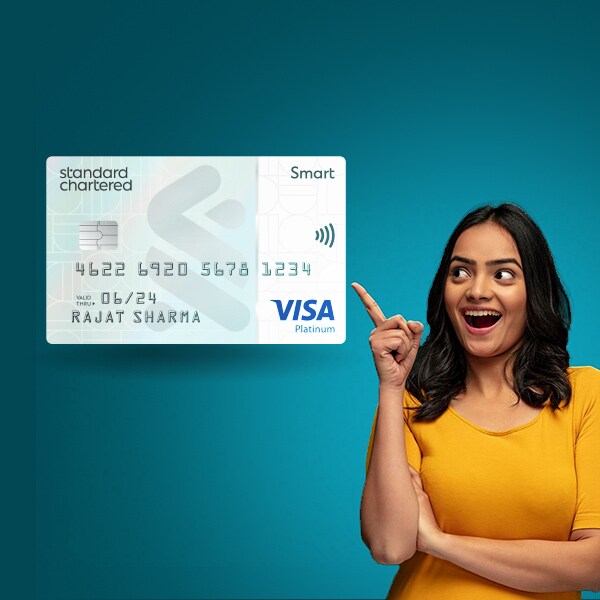
Standard Chartered Smart Credit Card Key Features & Benefits

Standard Chartered Smart Credit Card

Standard Chartered Smart Credit Card (SCB Smart Credit Card) What it offers, pros & cons, and whether it’s good for you.

Standard Chartered Smart Credit cards are everywhere now. Many people use them for online shopping, travel, bills, or emergencies. But not all credit cards are equal. Some give good benefits, others come with high fees. The Standard Chartered Smart Credit Card stands out because it is simple, affordable, and gives good rewards.

What Is the SCB Smart Credit Card?

The SCB Smart Credit Card is a cashback credit card from Standard Chartered Bank India. It is meant for people who want decent rewards for everyday spending. The card gives cashback, easy EMI options, and some special offers without complicated conditions. It is not a luxury card. It is more of a value‑for‑money card.

🌟 Key Features & Benefits

Here are the main features you get with this card:

1. Cashback on Online Spends

You get 2% cashback on all online shopping. There is a cap though. You can earn up to ₹1,000 per month* from online spends.

2. Cashback on Offline Spends

For purchases made in stores (other than online), you get 1% cashback, up to ₹500 per month. Fuel spends are not eligible for cashback.

3. Up to ₹18,000 Cashback Yearly

If you fully use these caps (online + offline) each month, you can get up to ₹18,000 cashback in a year. This can reduce your actual cost of spending.Icici bank amazon credit card

4. 90‑Day Interest Free Period

After you receive the card, there is a special period of 90 days where you pay only the minimum amount due on your bill, yet avoid interest on the rest. This helps if you have large bills just after getting the card.

5. EMI Conversion with Low Interest

Big purchases can be heavy on your wallet. This card allows you to convert certain purchases into EMIs (usually 3 months) at 0.99% per month interest. There is no processing fee for this EMI option.

6. Supplementary & Contactless Features

You can get supplementary cards for family members. The card has contactless payment, making small transactions faster. Online security is enhanced with OTP verification (3D Secure) for safe online payments.

7. Rewards Redemption & Flexibility

The cashback earned can be redeemed once you reach certain thresholds. Usually, you need ₹1,000 of accumulated cashback for the first redemption. Then you can redeem in multiples (e.g. ₹500). This helps avoid small‑point frustrations.

8. Fees and Annual Membership

The joining fee is modest: ₹499 + GST. The same for the annual fee. But here’s a good part: the annual fee is waived from the second year if you spend at least ₹120,000 in the year.

⚠️ Things to Know / Limitations

While this card has many good features, there are some things you should consider carefully

Fuel spends are excluded from cashback. So filling petrol may not earn you rewards.

Cashback is capped every month. If you spend more than the cap, you don’t earn more cashback. So high spenders might find limits restrictive.

Interest rate on overdue amounts is high if you don’t pay the full bill by due date, you will be charged interest, which can add up.

Foreign currency transactions (outside India or in foreign currency) have extra charges (mark‑up fee). So travelling or buying from foreign sites costs more.

There are no luxury perks like free airport lounge access, movie tickets, or milestone rewards. It is not a premium card. If you want those, you may need a more expensive card

👤 Who Should Use This Card?

This card is good for people who

Shop often online and want to get rewards against those spends.

Spend some offline too , groceries, shopping, bills so they can use the 1% cashback for offline purchases.

Are trying to build or improve credit history without paying high annual fees.

Want simple rewards rather than complex reward systems.

💳 It may not be ideal for people who:

Travel frequently abroad and need lounge access and travel perks.

Spend a lot on fuel since cashback is excluded.

Want highly premium benefits.

Are looking for a zero annual fee card alwaysAI career impact

if you don’t meet the spend threshold, you will pay the fee.

🔍 How to Get the Most From the SCB Smart Credit CardIf you get this card

here are tips to use it well:

1. Track your online and offline spends every month to hit the cashback caps (₹1,000 online, ₹500 offline).

2. Pay your full bill every month to avoid interest. Don’t just pay the minimum unless needed.

3. Use the EMI conversion option for big purchases to spread cost.

4. Don’t ignore small spends they also count. Sometimes small grocery bills or online subscriptions add up.

5. Make sure you use the card for ₹120,000+ spend per year if you want the annual fee waived.

📊 Example: How Much You Can EarnLet’s say you are a typical user:

You spend ₹20,000 online per month.

You spend ₹10,000 offline per month.

Here is what you earn:

Online: ₹20,000 → 2% cashback = ₹400 (but capped at ₹1,000, so safe) – Offline: ₹10,000 → 1% cashback = ₹100

So each month you earn ₹500. In one year, that is ₹6,000 in cashback. But if you spend more and hit both caps, you could get ₹18,000 per year maximum.

🔧 Fees and Costs to Watch

First‑year joining/annual fee: ₹499 + GST. – Renewal fee will be reversed if you meet spend criteria (₹1,20,000). – Late payment, foreign currency transactions, and over‑limit fees apply if you don’t follow terms. – Cash advance (withdrawing cash using credit card) is costly. Best avoid unless necessary.

🏁 Final Thoughts

The Standard Chartered Smart Credit Card is a good choice if you want a cashback card with reasonable benefits and not too many frills. It works best for people who do both online and offline spending. The caps on cashback are fair for regular usage. The EMI options and interest‑free period are helpful features. The cost (₹499 fee) is low and the waiver condition gives you a chance to avoid it with regular use.If you are disciplined with paying bills on time, tracking spending, and want useful rewards without premium prices, this card will serve you well.

Top 10 Skills You Must Learn for a Better Future

Top 10 Skills You Must Learn for a Better Future

.Top 10 Skills You Must Learn for a Better Future Especially students, professionals, or career seekers.

The world is changing fast. Jobs are changing. Technology is growing. To stay ahead and build a successful future, you need to learn the right skills. Some old skills are no longer useful, and new skills are becoming important.

We will share the top 10 skills you should learn for a better and secure future.

1. Digital Literacy

Today, everything is online. You must know how to use digital tools like smartphones, computers, the internet, apps, and online platforms. Whether you’re a student or a working professional, basic computer knowledge and the ability to use tools like MS Office, Zoom, Gmail, and Google Docs are must-have skills.

Bonus Tip: Learn how to use AI tools like ChatGPT, Canva, Notion, and Google AI to stay ahead.

2. Communication Skills

Being able to speak and write clearly is one of the most valuable skills. You need good communication to attend interviews, lead teams, speak in meetings, and even express your ideas online.

Learn to speak in English confidently – Practice active listening – Improve your writing through emails, messages, and blogs

Pro Tip: Read books, write short posts, and practice speaking in front of a mirror.

3. Emotional Intelligence (EQ)

In simple words, EQ means understanding your emotions and other people’s emotions. It helps you build strong relationships, stay calm during stress, and become a better leader.High EQ = Better teamwork + Fewer conflicts + More success ,Start by observing your feelings and learn how to respond instead of reacting.

4. Creativity & Problem Solving

Companies are looking for people who can think creatively and solve problems. It doesn’t matter if you’re in marketing, finance, or IT—problem-solving is needed everywhere.- Be open to new ideas – Learn how to look at a problem from different angles – Practice brainstorming solutions,Think of creativity as not just art, but as a way to find smarter, faster solutions.

5. Adaptability & Flexibility

The world is uncertain. New technology, new jobs, and new challenges come every year. If you’re flexible and ready to learn new things, you will always stay ahead. Always ask: “What can I learn from this change?”

6. Leadership Skills

You don’t have to be a manager to be a leader. Leadership means taking responsibility, helping others, and guiding your team to success.- Be reliable and trustworthy – Inspire others through actions – Take initiative even in small things. Leadership is a skill that grows with time and experience.

7. Financial Literacy

You may earn money, but if you don’t know how to manage it, you won’t grow. Basic financial knowledge is very important.

Learn to: Save money- Create a budget- Use digital banking apps- Understand loans, EMIs, credit cards- Start investing (mutual funds, SIP, gold, etc.) Money skills = Life skills. Learn them early.

8. Data Analysis & Critical Thinking

In today’s world, we are surrounded by data. Whether it’s business, healthcare or education

Making decisions based on data is important. Learn how to read charts and graphs – Understand how to collect and use data – Use tools like Excel, Google Sheets, or basic analytics platforms,Critical thinking helps you understand the why behind the data.

9. Time Management

Time is your most valuable resource. Learning how to manage your time can improve your life, reduce stress, and boost your performance.- Plan your day – Use a calendar or planner – Break large tasks into small steps – Avoid multitasking. A few good habits can save hours every week.

10. Learning How to Learn

The most important skill is the ability to learn new skills. In the future, jobs may change, but if you know how to learn fast, you will always stay prepared.- Take online courses – Watch tutorials – Read blogs, articles, and books – Join communities and ask questions. Stay curious. The best learners are the most successful people.

💡 Final Thoughts

You don’t need to learn all 10 skills in one day. Start with 2 or 3 that match your current goals. Keep learning, keep practicing, and keep improving. The world is full of opportunities, but only for those who are ready.These skills are not just for getting jobs — they will also help you grow as a person and live a more successful, confident life.

✅ Summary of the Top 10 Skills:| Skill | Why It Matters

Digital Literacy ▶️ For jobs, business, and daily life

Communication ▶️ Helps in teamwork, interviews, public speaking

Emotional Intelligence ▶️ Builds better relationships

Creativity & Problem Solving ▶️ Needed for innovation

Adaptability ▶️ Survive change and uncertainty

Leadership ▶️ Take charge and grow in career

Financial Literacy ▶️ Manage money and plan future

Data & Critical Thinking ▶️ Smart decisions backed by facts

Time Management ▶️ More productivity, less stress

Lifelong Learning ▶️ Stay relevant always

Middle-Class Trap in Credit Cards

Middle-Class Trap in Credit Cards

Middle-Class Trap in Credit Cards: A Silent Debt Cycle ,Credit cards have made life easier for many middle-class families in India and around the world. They allow you to shop now and pay later. But this same feature can become a trap especially for middle-class people who often balance between income and expenses.

The Credit Card Trap

We will talk about how credit cards can silently trap the middle class in a debt cycle, and how to avoid it.Best cashback credit card

What is the Credit Card Trap?

A credit card trap happens when you spend more than you can repay and carry forward unpaid bills to the next month. This unpaid amount keeps growing with high interest and soon, you are stuck paying only interest not the actual bill.It feels like you’re paying every month, but the debt never goes down.

💳 Why Middle-Class People Fall Into the Trap

Middle-class families often have limited income and many expenses — school fees, rent, EMI, medical bills, and more. Credit cards give a sense of relief during financial pressure.But here’s where the trap starts:

1. Spending Beyond Budget

Credit cards make spending easy. With just a swipe, you can buy phones, clothes, or even pay bills. Since there is no immediate cash outflow, many people lose track of spending.

What looks like a small ₹2,000 dinner, a ₹5,000 shopping trip, or ₹10,000 travel booking adds up quickly.

2. Paying Minimum Due Only

Banks give you the option to pay only the “minimum due”, which is usually 5% of your total bill. Many people think this is fine. But the remaining 95% carries forward with high interest (30–40% per year).This creates a debt snowball ,where your debt keeps growing month after month.

3. Multiple Credit Cards

To manage bills, people take multiple credit cards. They use one to pay the other or keep switching between them. This seems smart at first, but it becomes very hard to track, and debt starts increasing silently.

4. No Emergency Fund

Middle-class families often don’t have emergency savings. So, during sudden medical needs or job loss, credit cards are used. But paying these back becomes a challenge without income or savings.

5. Temptation from Offers

Banks offer Cashback, EMI options, Reward points and discounts. These marketing tricks tempt people to spend more. But often, the interest and charges wipe out those rewards.

⚠️ What Happens When You Fall into the Trap

1. High Interest

If you miss even one payment, you pay late fees + interest.

2. Lower Credit Score

Delay in payments affects your CIBIL score.

3.Debt Pressure

Monthly stress increases as bills grow.

4.Mental Health

Financial stress causes anxiety and sleepless nights.

5. No Savings

All income goes in paying bills, no money left for future.

6. Loan Rejection

With a bad credit history, you may not get home or car loans.

Real Example of the Trap

Let’s say Ramesh, a salaried person, earns ₹35,000/month.- He spends ₹20,000 on daily needs. – One month, he uses a credit card to buy a new phone worth ₹15,000.He pays only ₹1,500 (minimum due).Now, ₹13,500 goes to next month with 36% annual interest.Next month, an emergency hits, and he spends ₹10,000 more on the card. Soon, he is paying ₹3,000/month just in interest – but the main amount is not reducing.This is how Ramesh falls into a credit trap.

How to Avoid the Credit Card Trap

✅ 1. Use Credit Card Like a Debit

Never spend more than what you already have in your bank account. Before swiping, ask yourself ,“Can I pay this full amount next month?”

✅ 2. Always Pay Full Bill Not Minimum Due

Pay the total amount due on or before the due date. Minimum payment is just a trap to make you pay interest.

✅ 3. Track Your Spending

Use credit card apps or write down your expenses in a diary. Set spending limits for categories like food, shopping, or travel.

✅ 4. Avoid Impulse Shopping

Don’t buy just because there’s a sale or offer. Ask yourself “Do I really need this?” Wait 24 hours before big purchases.

✅ 5. Keep Only One or Two Credit Cards

The more cards you have, the harder it becomes to manage them. Stick to one card that gives basic rewards and suits your lifestyle.

✅ 6. Build an Emergency Fund

Start saving at least 10% of your income. In 6 -12 months, you should have 3–6 months of expenses saved.

✅ 7. Don’t Use Credit Card for Cash Withdrawal

Withdrawing cash from a credit card comes with very high charges and no interest-free period. Avoid unless it’s a life emergency.

✅ 8. Understand Your Card’s Terms

Read the fine print — interest rates, billing cycle, late fees, and hidden charges. Awareness protects you.

✅ 9. Avoid Paying One Card with Another

This is a dangerous cycle. You are not clearing debt, just shifting it. Look for better solutions like a personal loan or EMI conversion.

✅ 10. Get Financial Advice if Needed

If you are already in a credit trap, consult a financial advisor ,or talk to your bank. Some banks offer balance transfer or settlement plans.

✍️ Final Thoughts

Credit cards are not bad. In fact, they are very useful if used the right way. But for many middle-class people, the lack of financial awareness, emotional spending, and pressure to maintain a lifestyle becomes a dangerous mix.

Credit cards give short-term comfort but can cause long-term pain if misused. Be aware, be disciplined, and don’t fall for the trap.

Live within your means. Spend smartly. Save regularly.

Because money saved is money earned — and peace of mind is priceless.

Credit Card vs Cash: Which Is Better for You?

Credit Card vs Cash: Which Is Better for You?

Credit Card vs Cash: Which Is Better for You?

Credit Card vs Cash: Which Is Better

In today’s world, we have many ways to pay for things ,credit cards, UPI, debit cards, and of course, cash.

But one common question is:

Should you use a credit card or cash?

Each method has its advantages and disadvantages.

We will help you understand when it’s better to use a credit card, and when cash is the smarter choice. Let’s break it down.

What is a Credit Card? Credit Card awareness

A credit card allows you to borrow money from your bank to make purchases. You can pay the amount back later, usually within 45–50 days without interest.

What is Cash? CIBIL report

Cash means physical money – notes and coins. You pay immediately using your own money.

Comparison: Credit Card vs Cash

Let’s compare the two based on key points:

1. Convenience- Credit Card: Very convenient. You don’t need to carry cash. One swipe, and payment is done. Also works for online payments.

Cash: Not suitable for big purchases or emergencies. Also not accepted everywhere in digital-first stores.

✅ Winner: Credit Card

2. Rewards and Cashback

Credit Card: Offers cashback, points, and discounts on shopping, fuel, dining, and travel. You get rewarded for spending.

Cash: No rewards or benefits. You just pay and go.

✅ Winner: Credit Card

3. Control Over Spending

Credit Card: It’s easy to overspend. Since you don’t see money leaving your hand, you might not realize how much you’re spending.

Cash: Helps you stay within budget. You can only spend what you have in your wallet.

✅ Winner: Cash

4. Safety

Credit Card: Safer than cash. If lost or stolen, it can be blocked instantly. Most banks offer fraud protection.

Cash: If you lose it, it’s gone forever. No way to recover.

✅ Winner: Credit Card

5. Emergency Use

Credit Card: Extremely useful in emergencies. You can pay for sudden medical bills, travel bookings, or home repairs.

Cash: Not always enough for emergencies unless you carry large amounts.

✅ Winner: Credit Card

6. Building Credit Score

Credit Card: Helps you build a credit score if you pay bills on time. A good score helps you get loans, home loans, or even jobs.

Cash: Doesn’t help in any way with credit score.

✅ Winner: Credit Card

7. Interest Charges and Fees

Credit Card: If you don’t pay on time, banks charge high interest (30-40%), late payment fees, and penalties.

Cash: No extra charges. You spend what you have.

✅ Winner: Cash

8. Acceptance

Credit Card: Widely accepted – malls, hotels, flights, and online stores. But small shops or villages may not accept it.

Cash: Accepted everywhere, especially in rural or cash-preferred places.

✅ Draw: Both win depending on the place

9. Spending Track Record

Credit Card: Every transaction is recorded. Helps with budgeting and tax filing.

Cash: No record unless you write it down manually.

✅ Winner: Credit Card

10. Foreign Travel

Credit Card: Easier to use abroad than carrying lots of cash. Some cards offer zero forex charges.

Cash: Needs currency exchange. Risky to carry too much.

✅ Winner: Credit Card

✅ When to Use Credit Card- When you shop online or travel- When you can pay full bill on time- If you want to earn cashback or rewards- For emergency expenses- To build your credit score

✅ When to Use Cash -When managing your budget strictly- At local markets, roadside vendors, or in villages- If you are prone to overspending- When you want to avoid interest or late fees

⚠️ Tips for Smart Credit Card Use- Always pay full bill before due date – Avoid withdrawing cash from credit card (high fees) – Set spending limits or use apps to track usage – Don’t have more than 2–3 cards unless needed – Avoid “minimum due” trap – it increases debt

💬 Final Words

Both credit cards and cash have their own place in your financial life. A smart person uses both — knowing when to spend with a card and when to use cash.If you can control your spending, use your credit card wisely, and pay bills on time — a credit card is powerful. But if you want full control, zero risk of debt, and simplicity, stick to cash.

The choice is yours — just make sure it suits your *financial habits and goals*.—*Category:* Personal Finance / Money