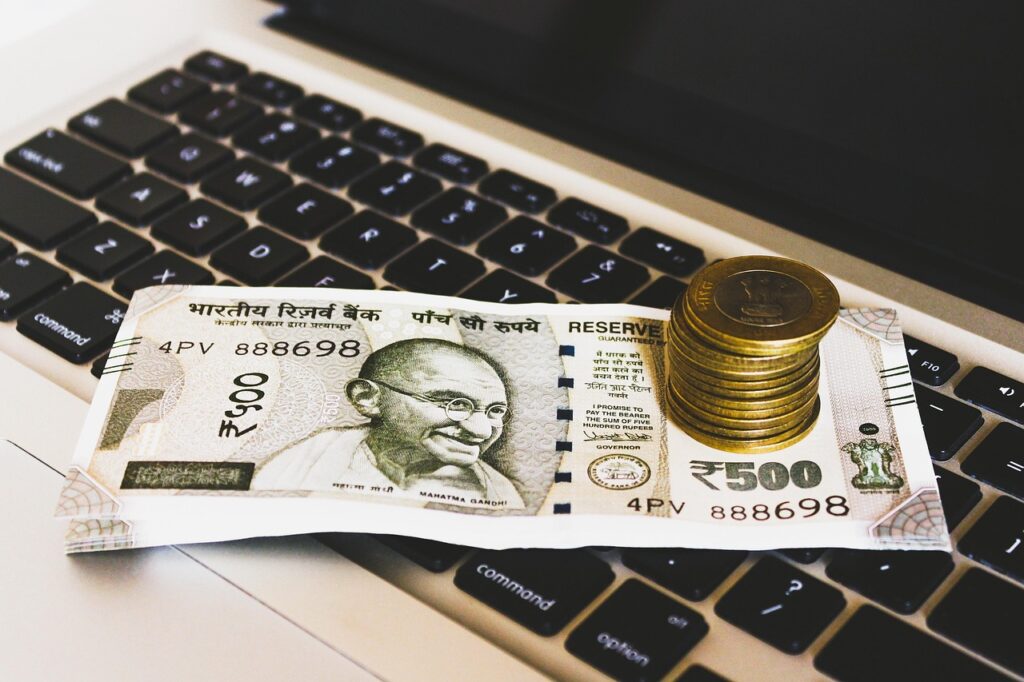


How to Start Your Finance Planing Journey?

How to Start Your Finance Planing Journey?

How to Start Your Financial Planning Journey – Step by Step Guide By [Pradeep Kumar Das]

For Beginners in India , Starting your financial planning journey can feel overwhelming but don’t worry. You don’t need to be a finance expert or earn lakhs per month. All you need is a clear mindset and consistency.Here’s a simple step-by-step guide to help you get started.

✅ Step 1. Set Clear Financial Goals Ask yourself, What do I want to achieve? AI career impact

How to Start Your Financial Planning Journey

Save for emergency? – Buy a house? -Child’s education? – Retirement?

Write down your short-term (1–3 years), medium-term (3–5 years) and long-term (10+ years) goals.

✅ Step 2. Track Your Income & Expenses- Know exactly how much you earn and where your money goes- Use apps like Walnut, Money view, or simply Excel- Aim to save at least 20–30% of your income.Ai kya hai

✅ Step 3. Build an Emergency Fund- Save at least 3–6 months of expenses – Keep it in a separate savings account or liquid mutual fund – Use it only for real emergencies.

✅ Step 4: Get Proper Insurance- Term Insurance – to protect your family – Health Insurance – to avoid medical burden – Avoid mixing insurance + investment.

✅ Step 5. Start Investing Early Even small SIPs of ₹500/month can grow big over time.- For short-term goals: Recurring Deposits, Liquid Funds – For long-term: Equity Mutual Funds, PPF, NPS, Gold – Avoid investing randomly — match with your goals.

✅ Step 6. Plan Your Taxes- Know your eligible deductions under *80C, 80D, etc. – Invest in tax-saving instruments early in the financial year.

✅ Step 7. Avoid Unnecessary Debt- Use credit cards wisely — pay full dues on time – Avoid personal loans for shopping or travel – Focus on building a good CIBIL score.

✅ Step 8. Review Your Plan Annually- Review your goals, investments, and expenses at least once a year – Adjust your SIPs, insurance, and budget as life changes.

💡 Final Tip 🎯

Start simple. Stay consistent. Think long term. Financial planning is not about perfection ,it’s about progress.


What is Financial Planning?

What is Financial Planning?

What is Financial Planning?

A Complete Guide to Securing Your Future By [Pradeep Kumar Das] | Updated: September 2025

Failing to plan is planning to fail 😔

This quote fits perfectly when it comes to money and life goals.Financial planning isn’t just for millionaires or business owners, it’s for anyone who earns, spends, and dreams. Whether you’re saving for a house, child’s education, or just want to retire stress-free, financial planning is the *roadmap to your dreams.

💡 What is Financial Planning?

Financial Planning is the process of Setting financial goals – Evaluating your current financial position – Creating a strategy to achieve your short-term and long-term goals – Reviewing and adjusting your plan Regularly it helps you take control of your money and avoid financial stress.

🧱 Key Elements of Financial Planning

1.Income & Expense Tracking – Understand where your money comes from and where it goes.

2. Budgeting – Create a monthly budget to control spending and boost savings

3. Emergency Fund – Keep at least 3–6 months of expenses aside for emergencies

4. Insurance Planning – Buy term insurance and health insurance to protect your family

5. Tax Planning – Use Section 80C, 80D, and other deductions to save tax legally

6. Investment Planning – Choose the right instruments (FD, mutual funds, PPF, SIPs, gold, real estate) based on your goals

7. Retirement Planning – Start early to build a solid retirement corpus through EPF, NPS, or retirement mutual funds

8. Debt Management – Clear high-interest loans first, avoid unnecessary EMIs, and maintain a good credit score

9. Goal-Based Planning – Plan for specific goals like a car, home, education, wedding, or world tour

10. Estate Planning – Make a will, assign nominees, and manage inheritance in advance

🎯 Why Financial Planning is Important- Reduces money stress – Helps you make smarter decisions – Ensures a better future for your family – Builds financial discipline – Helps face emergencies without panic – Protects you from debt traps

👨‍👩‍👧‍👦 Who Should Do Financial Planning?Everyone! From a student or salaried employee to a business owner or retiree.

financial planning is for all income groups.

SIP Kya hai ? Small investment, Big Dream.A Smart Way to Invest in Mutual Fund

SIP Kya hai ? Small investment, Big Dream.A Smart Way to Invest in Mutual Fund

SIP (Systematic Investment Plan)

SIP Kya Hai? Small Investment, Big Dreams – A Smart Way to Invest in Mutual Funds By [Pradeep Kumar Das] Updated: September 2025

Paise bachao” is advice we all hear. But “paise badao” is what truly builds wealth. If you’re someone who finds investing complicated or risky, let me introduce you to your best friend in finance 💵

the Systematic Investment Plan (SIP). It’s not a shortcut to riches, but a smart and disciplined path to financial freedom.Let’s break it down in simple terms.

🌱 What is SIP?

SIP (Systematic Investment Plan) is a way to invest a fixed amount regularly (monthly/weekly) in mutual funds.You don’t need ₹1 lakh. You can start with just ₹500/month.

Think of it like:> “Netflix subscription, but for your future!”You pay a small amount every month → it gets invested in a mutual fund → your money grows over time → thanks to compounding.

💡 How Does SIP Work?

1. Choose a mutual fund (equity, debt, hybrid, etc.)

2. Set a fixed amount (e.g., ₹1000 per month)

3. The amount gets auto-debited from your bank

4. You get units of the mutual fund based on that day’s NAV

5. Over time, the value of your units *grows with the market

🔍 Benefits of SIP

1. Start Small, Dream Big Even ₹500/month can grow into lakhs in 10–15 years.

2. Rupee Cost Averaging Markets up or down? Doesn’t matter. SIP averages out your buying cost over time.

3. Compounding Magic

Your money earns returns → those returns earn more returns → it snowballs!

4. Disciplined Saving Habit Money auto-debited means no temptation to skip.

5. No Need to Time the Market Perfect for beginners. You don’t have to be a market expert.

📈 How Much Can You Earn?

Let’s say you invest ₹2000/month for 10 years in an equity mutual fund.- Approx return @ 12% CAGR – You invest ₹2.4 lakh – Final value = ₹4.65+ lakh (est.)

(Returns not guaranteed. Based on historical performance.)

⚠️ Things to Keep in Mind-

Long-term mindset = better results – Choose funds with good track record – SIP is not risk-free, but risk is lower over time – Don’t panic during market dips – Review your SIPs annually.

🧠 Who Should Start SIP?

Students – start early with small amount – Salaried people – build wealth for future – Freelancers – create a safety net – Anyone with a goal – education, house, retirement

📌 Final Words

SIP is like a financial gym — you won’t see six-pack abs in 1 month, but with consistency, you’ll transform your future.Start small, stay consistent, and let your money work harder than you do.

What is UPI , How UPI Work, About UPI Payment

What is UPI , How UPI Work, About UPI Payment

What is UPI , How UPI Work, About UPI Payment

UPI (Unified Payments Interface)

What is UPI? The Backbone of Digital Payments in India , By [Pradeep Kumar Das] In today’s fast-moving world, sending money , should be as simple as sending a message and that’s exactly what UPI (Unified Payments Interface) has made possible in India.Launched by the National Payments Corporation of India (NPCI) in 2016, UPI has transformed how Indians pay, send, and receive money instantly, securely, and 24×7.

💡 What is UPI?

UPI is a real-time payment system that allows users to link multiple bank accounts to one mobile app and perform –

Instant money transfers

Bill payments

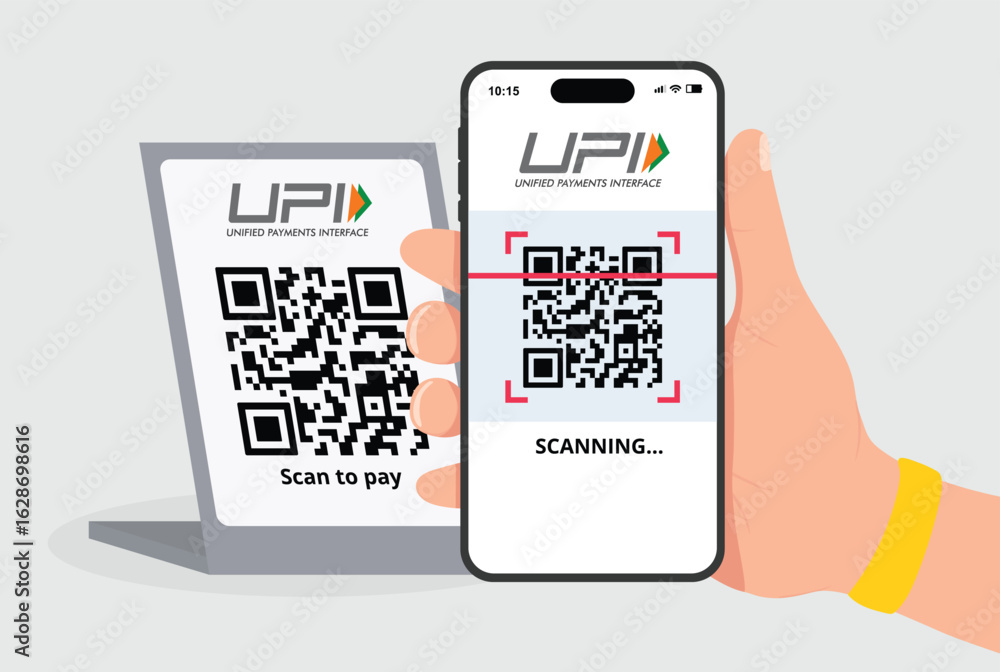
QR code scanning

Online purchases

Requesting money

All you need is a Virtual Payment Address (VPA) , like `yourname@upi

🔑 Key Features of UPI

Instant Transfers (24×7, including holidays) , No need to remember account numbers or IFSC , Safe & secure with 2-factor authentication Works across banks and apps , Supports P2P and P2M transactions

📲 Popular UPI Apps in India like PhonePe, Google Pay (GPay), Paytm, BHIM, Amazon Pay and Mobikwik.

🏦 Banks That Support UPI

Almost all major Indian banks are UPI-enabled including

State Bank of India (SBI), HDFC Bank, ICICI Bank, Axis Bank, Bank of Baroda, Kotak Mahindra Bank, and more.

✅ Benefits of Using UPI

Zero or minimal transaction charges , Easy to split bills or send rent – Useful for businesses (QR payments) – Reduces the need for cash handling – Track transactions via app instantly

⚠️ Safety Tips While Using UPI

Never share your UPI PIN

Only use verified apps from app stores – Double-check receiver details before sending money , Avoid clicking on unknown UPI links or QR codes. Enable app lock and SMS alerts

📈 The Impact of UPI in India As of 2025, UPI handles over 12 billion transactions monthly, making it one of the largest real-time payment systems in the world. Even rural users now prefer UPI over cash, a big step toward a Digital India.

📌 Final Thoughts/ Conclusion.

UPI is not just a payment tool, it’s a digital revolution, that has made banking inclusive, easy, and mobile first. Whether you’re paying a friend or a shopkeeper, UPI makes money move in seconds, securely.

Detail Analysis of Small Finance Bank and Key Roll of Small Finance Bank What is Small Finance Bank

Detail Analysis of Small Finance Bank and Key Roll of Small Finance Bank What is Small Finance Bank

Detail Analysis of Small Finance Bank and Key Roll of Small Finance Bank What is Small Finance Bank

What does a Small Finance

Bank mean?

Small finance banks , that operate in rural sections or sections of society that are excluded from the urban section. To help farmers, small business owners the small finance banks help Like all other banking organisations these types of banks i.e small finance banks also perform major tasks such as deposits and withdrawals.

Small finance banks are registered under public limited companies under the Companies Act 2013. The main significance of small finance banks is to provide inclusion to underdeveloped areas. These banks provide provisions for saving vehicles to underserved or unserved sections of society.

These banks provide financing to the small business units in rural sections.

Who is Allowed to set up Small Finance Banks?

The functioning of small finance banks depends on if the resident individual has more than 10 years of banking experience. The companies registered, owned and controlled by residents will be eligible for setting up small finance banks. Small finance banks have the potential to make better opportunities unlike major banks because they solely focus on underserved people.

The promoters of small finance banks need to be eligible to be considered a part of small finance banks. RBI is usually the intelligent body behind reviewing the organisations, companies whole apply for being promoters of small finance banks.

Promoters’ initial offering to the small finance banks should be at least 40% and gradually brought down throughout the years. The RBI needs to approve all the plans regarding the expansion of the small finance banks in the initial 5 years stage.

What is the Importance of Small Finance Banks?

Small finance banks have accepted deposits and lending money as their primary task. These banks can undertake activities like acting as distributors of various types of mutual funds and pension funds.

Importance of Small Finance Banks:

The small finance banks being an important part of the banking system have various important features that are mentioned below:

  • The small finance banks have no restrictions on where they can operate
  • They have open permission to operate in any desired location given they fall under proper proximity
  • Small Finance Banks are just like any other commercial bank when it comes to risk management
  • The company has to submit CRR and SLR like commercial banks
  • The small finance banks should mainly focus on the important sectors like agriculture and small business
  • The small business bank needs to have at least half of its loan portfolio as loans and advances to microfinance business

✅ List of Small Finance Banks in India:

1.Unity Small Finance Bank

2. Equitas Small Finance Bank

3. Ujjivan Small Finance Bank

4. Jana Small Finance Bank

5. Suryoday Small Finance Bank

6. ESAF Small Finance Bank

7. Fincare Small Finance Bank

8. North East Small Finance Bank

9. Utkarsh Small Finance Bank

10. Capital Small Finance Bank

11. Shivalik Small Finance Bank

These banks focus on financial inclusion, offering banking and credit facilities to underserved and rural segments* of India.

Why You Should Use Auto -Debit for EMIs and Bills and What is Auto-Debit What if I Missed

Why You Should Use Auto -Debit for EMIs and Bills and What is Auto-Debit What if I Missed

Use Auto-Debit for EMIs and Bills

By [ Pradeep Kumar Das ] | Updated: September 2025 ▶️

Missing a payment might seem like a small thing but in the world of banking and credit, one missed EMI or bill can lead to late fees, penalties , interest charges and even a drop in your credit score.

A simple and effective solution?

✅Auto-debit

Let’s explore why setting up auto-debit for your EMIs and bills is a smart financial habit in 2025.

🔁 What is Auto-Debit?

Auto-debit is a facility where your bank automatically deducts the required amount on a set date from your account to pay Loan EMIs , Credit card bills ,Utility bills like electricity, mobile, broadband, Insurance premiums, SIPs or recurring deposits.

It saves you the trouble of remembering multiple due dates every month.

✅ Benefits of Auto-Debit 💵

1. Never Miss a Payment –

Your payments are made on time every time. No reminders needed.

2. Avoid Late Fees & Penalties Missing due dates on loans or cards often attracts ₹500–₹1,200 in penalties. Auto-debit prevents that.

3. Improve or Maintain Your Why You Should Use Auto -Debit for EMIs and Bills and What is Auto-Debit What if I Missed –

Timely payments is very important , to build a healthy credit history. One missed EMI can dent your score.

4. Convenient & Time-Saving –

No need to log in manually every time. Once set, it works in the background for you.

5. Better Budgeting

With fixed dates, you can plan your monthly expenses more accurately.

✅ How to Set Up Auto-Debit

You can activate auto-debit through –

Net banking or mobile banking application, visit your Bank branch (mandate form or NACH) , Credit card or loan provider’s website , UPI autopay apps like PhonePe, Paytm, Google Pay, Make sure to maintain sufficient balance before the due date.

⚠️ Things to Keep in Your Mind

Always keep a buffer amount in your account to avoid bounce charges.

Set alerts to get notified when money is debited.

Review standing instructions regularly—cancel ones you no longer need. For credit cards- consider auto-debiting total amount due not just minimum.

🎯 Use a separate bank account just for your EMIs and bill auto-debits. Fund it monthly with the exact amount needed. This keeps your main account safe and ensures clarity.

📌Auto-debit is not just a convenience , it’s a financial discipline. It helps you stay organized, avoid penalties, and protect your credit score effortlessly.

Why You Should Always Keep Your Pan, Aadhaar and & Mobile Number Updated In Your Bank Account

Why You Should Always Keep Your PAN, Aadhaar & Mobile Number Updated in Your Bank Account

In today’s digital banking era, small oversights can lead to big inconveniences. One of the most common yet underestimated banking habits is not keeping your PAN, Aadhaar, and mobile number updated with your bank.

This simple step can help you avoid transaction failures, KYC issues, blocked accounts, and even missed OTPs , that delay urgent banking activities.

🧾 1. PAN & Aadhaar Linking is Mandatory As per RBI and government guidelines, it is compulsory to link your PAN and Aadhaar with your bank account to keep it active and fully functional.

Why it matters:▶️ Required for income tax filing- Needed for high-value transactions- Helps banks comply with KYC norms- Prevents your account from being frozenIf not linked, you may face restrictions in your debit card usage, UPI transactions, or may even see your account marked as “KYC incomplete”

📲 2. Mobile Number: Your Banking Lifeline Your registered mobile number is the core of all digital banking:- Receives OTPs for UPI, net banking, credit cards – Alerts you instantly of suspicious or failed transactions – Required for activating mobile banking apps – Helps in password resets and customer support verification If your number is outdated or inactive, you can miss critical updates and even lose access to your account.

🔐 3. How to Update Your Details , Updating is simple and usually free:- Visit your bank branch with your ID proof – Or use mobile/internet banking for mobile number change – Fill the KYC or detail update form* – Link Aadhaar via net banking or SMS (if supported)Some banks may take 24–48 hours to reflect changes.

⚠️ 4. Consequences of Not Updating –

Blocked transactions – Failure in receiving OTPs – Inability to open FDs, apply for loans, or update apps – Increased fraud risk (if an old number is in use)

💡 Final Tip ▶️ Make it a habit to check and update your banking information* once a year or whenever you change your contact details. It’s a small step that can save you from major financial roadblocks

10 Best Way to Earn Money, Paise Kamane ke Upay

Top 10 Best Ways to Earn Money (2025 Edition)

1. Freelancing Online

Offer your skills on platforms like Fiverr, Upwork, Freelancer. Skills can include writing, graphic design, video editing, coding, etc.

2. Start a YouTube Channel

Create content in your niche—vlogs, education, tech, finance, or comedy. Earn via ads, sponsorships & affiliate marketing.

3. Affiliate Marketing

Promote products online and earn a commission on every sale via your referral link. Use blogs, YouTube, or Instagram for promotion.

4. Sell Digital Products

Create & sell eBooks, online courses, PDFs, or templates. Low cost, high profit.

5. Stock Market or Mutual Funds

Invest wisely in stocks or SIPs. Long-term returns with proper knowledge & discipline.

6. Start a Small Business

Open a cloud kitchen, reselling business, tiffin service, or online store. Low investment, high potential.

7. Online Tutoring

Teach school subjects, spoken English, coding, etc., via Zoom or Skype. Sites: Vedantu, Chegg, or your own platform.

8. Work-from-Home Jobs

Join companies offering remote jobs like data entry, customer support, or content writing.

9. Instagram or Blogging

Build an audience and monetize with paid posts, brand deals, and ads.

10. Part-Time Delivery Jobs*Use platforms like Swiggy, Zomato, Dunzo, or Amazon Flex for flexible earnings.