

Top 10 Online Business Ideas to Start from Home in India (2025)

Top 10 Online Business Ideas to Start from Home

Top 10 Online Business Ideas to Start from Home in India (2025)

The internet has opened up endless opportunities to start a business from the comfort of your home. Whether you’re a student, working professional, or stay-at-home parent, starting an online business is easier than ever — and many options require low investment.

We’ll explore the top 10 online business ideas you can start in India in 2025. These ideas are practical, profitable, and beginner-friendly.

1.Blogging and Content Writing

If you love writing, blogging is a powerful way to build an online brand and earn money. You can start a blog on topics like finance, health, travel, parenting, or tech.

How to earn Top 10 Money Saving Apps in india

Google AdSense – Affiliate marketing – Sponsored posts – Selling digital products

Tip – Use WordPress to build your blog and focus on SEO to grow traffic.

2. Freelancing Services

Freelancing allows you to offer your skills to clients worldwide. Popular freelance services include:

Graphic design

Web development

Social media marketing

Content writing

Video editing Platforms to start:* Fiverr, Upwork, Freelancer, Toptal.CIBIL report

Why it’s great – You can set your own rates, work remotely, and grow a client base.

3. YouTube Channel or Vlogging

YouTube is a great platform to showcase your creativity. If you’re good at teaching, entertaining, reviewing products, or storytelling.

start a YouTube channel –

Popular niches:Tech reviews – Finance and investing – Cooking – Fitness – Lifestyle and travel

Earnings: Ad revenue, brand deals, sponsorships, affiliate links

4. Affiliate Marketing

Affiliate marketing means promoting other people’s products and earning a commission on every sale made through your referral link.

Where to start: Amazon Associates – Flipkart Affiliate – Hosting and software tools (e.g., Bluehost, Canva, etc.)

Tip: Combine it with a blog, YouTube, or Instagram page for best results.

5. Online Coaching or Digital Courses

If you’re an expert in a subject — whether it’s math, coding, yoga, or personal finance — you can teach online.

Ways to start: Offer live classes via Zoom – Create a course and sell on Udemy or Teachable – Use Instagram or YouTube to promote

Bonus: You build credibility while earning passive income.

6. Dropshipping Business

Dropshipping is an e-commerce model where you sell products online without maintaining any inventory. You partner with a supplier, and they ship the product directly to your customer.

Tools to start: Shopify, WooCommerce + Oberlo

Popular products: Fashion, gadgets, home decor, pet items

Pros: Low risk, low investment, global market access

7. Social Media Management

Businesses are always looking for people to manage their Instagram, Facebook, YouTube, or LinkedIn profiles. If you’re good at creating posts, writing captions, and engaging with followers, this can be a great gig.

Skills needed: Content planning, Canva, basic analytics

Client base: Small businesses, coaches, influencers, NGOs

8. Stock Market and Crypto Education

With growing interest in financial markets, many people are willing to pay for genuine knowledge on trading, investing, and crypto.

Start with: A YouTube channel on stock tips – A blog on financial education – Paid Zoom workshops – Ebooks on market strategies

Important: Always provide value — never mislead people.

9. Sell Handmade or Digital Products

If you’re creative, turn your talent into an income source.

Handmade items: Soaps, candles, crafts, jewellery

Digital products: Ebooks, resume templates, planners, logos

Where to sell: Etsy, Instagram, Meesho, your own website

Tools you can use: Canva, Gumroad, Payhip

10. Virtual Assistant Services

Virtual Assistants (VAs) help business owners with tasks like: Email management – Calendar scheduling – Customer support – Market research

How to start: Build a LinkedIn profile or create a gig on Fiverr

Earnings: ₹15,000–₹50,000/month depending on clients

📌 Final Tips Before You Start- Choose a niche you’re interested in – Start small, but stay consistent – Learn digital marketing basics – Use free tools like Canva, Google Docs, ChatGPT, and WordPress – Track your income and reinvest wisely

🎯 Why Start an Online Business in 2025?

Low or zero startup cost – Full flexibility — work from anywhere – Huge market via social media and websites – No need for a physical office – Easy to scale with automation tools

🚀 Final Words Whether you want a side hustle or a full-time income, these online business ideas can help you build a successful future in the digital world. The best part? You don’t need a huge investment to start just time, consistency, and passion.

Start today, stay patient, and grow your online business one step at a time!

SBI Cashback Credit Card: Full Review and Benefits

SBI Cashback Credit Card

SBI Cashback Credit Card: Full Review and Benefits

The SBI Cashback Credit Card is one of the most popular cashback credit cards in India. It offers simple and automatic cashback on your daily spending, especially on online shopping.Amazon Pay ICICI Bank Credit Card

If you’re someone who loves to shop online and wants to save money with every transaction, this card can be a great choice.

We will explain the features, benefits, fees, eligibility, and how to use the SBI Cashback Credit Card in simple words.

💳 What is SBI Cashback Credit Card?

The SBI Cashback Credit Card is offered by the State Bank of India (SBI). It gives cashback when you spend money using the card. The cashback is automatically credited to your card account in the next billing cycle.

This card is best for people who ▶️ Shop frequently online – Pay their bills on time – Want to save money on every transaction

✅ Key Features

Here are the main features of the SBI Cashback Credit Card

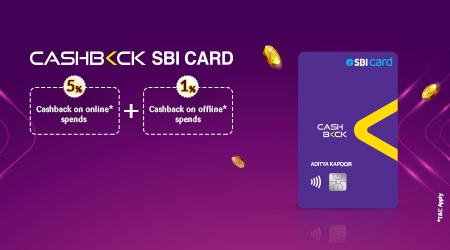
1.5% Cashback on Online Spending

– You get 5% cashback on all online purchases. – This applies to payments made directly on websites and apps.

– It does not include payments made through wallets or third-party gateways like Paytm, Amazon Pay, etc.

2. 1% Cashback on Offline Spending – For purchases made at physical stores, you get 1% cashback. – This is useful for grocery, petrol, or restaurant spending.

3. Automatic Cashback Credit – The cashback you earn will be credited in the next month’s statement. No need to manually claim it.

4. Wide Acceptability – Accepted across millions of outlets in India and abroad.

– Use it for online shopping, bills, travel, dining, and more.

📌 Cashback Limits

There are a few rules on cashback

Maximum cashback of ₹5,000 per statement cycle – Cashback is not applicable on certain spends like: – Rent payments – Utility bills – Wallet reloads – Fuel – EMI transactions.

💰 Fees & Charges

Before you apply, it’s important to know the charges

Joining Fee ₹999 + GST – Annual Fee ₹999 + GST (waived off if annual spend is ₹2 lakh or more) -Interest Rate Up to 3.5% per month (42% annually) – Foreign Currency Markup 3.5% Make sure to pay your bills on time to avoid interest.

🎁 Welcome Benefits

Currently, there are no separate welcome gifts for this card. However, the cashback benefit starts from day one, which makes it valuable

📲 How to Apply?

You can apply for the SBI Cashback Credit Card

Through the SBI Card official website

Through the SBI Card app

By visiting an SBI branch Make sure to keep documents like PAN card, Aadhaar, income proof, and photos ready during the process.

👤 Eligibility Criteria

To apply, you must Be an Indian citizen – Be at least 21 years old – Have a regular source of income – Have a good credit score (usually 700+)SBI may check your CIBIL score before approving the card.

🧾 How Cashback is Calculated

Let’s understand with an example – You spend ₹10,000 online → You get ₹500 cashback (5%) – You spend ₹5,000 offline → You get ₹50 cashback (1%) – Total cashback = ₹550, This will be credited in your next month’s bill Easy and automatic!

⚠️ Things to Remember

Cashback is not applicable on some categories like rent, fuel, wallet loads, insurance, etc. –

To maximize rewards, use the card more for online purchases. – Avoid minimum due payments — always try to pay in full.Monitor your cashback and spending through the SBI Card app.

Who Should Get This Card?

The SBI Cashback Credit Card is ideal for Online shoppers who buy from various websites – Salaried professionals or business owners – People who prefer straightforward cashback over complicated reward points – Those who can spend ₹2 Lakh + yearly to waive the fee.

🟢 Pros

High cashback on online purchases – Automatic cashback — no redemption process – Simple reward structure – Annual fee waiver option

🔴 Cons

No cashback on wallet, rent, or fuel – No airport lounge access or premium features – No welcome gift or joining bonus

📣 Final Thoughts

The SBI Cashback Credit Card is one of the best cashback cards in India for regular users. If you’re someone who shops online often and wants a no-fuss way to save money, this card is for you.With 5% cashback on online spends, 1% on offline, and simple billing, it gives you real savings without any confusing reward systems.

However, be sure to- Pay your bills in full – Keep your credit utilization low – Monitor your spends using the SBI Card app That way, you enjoy the benefits while also building a good credit score.

RBI’s New Rules on Rent Payments via Fintech Apps

Your phone could be locked by lenders if you miss EMI payments

RBI’s New Rules on Rent Payments via Fintech Apps

In recent years, many people in India started using apps like PhonePe, Paytm, and Cred to pay rent using their credit cards. It was easy, fast, and came with benefits like cashback and reward points. But now, the Reserve Bank of India (RBI) has introduced new rules that have changed everything.

Let’s break it down in simple terms

💳 Why Were People Paying Rent with Credit Cards? Mobile lock policy

Before we get into the new rules, let’s understand why this method became popular.

Convenience – You could pay rent from your phone in seconds.

Rewards – Many credit cards gave cashback or points for rent payments.

Cash Flow – Credit cards allowed people to pay rent even if they didn’t have enough money in their bank account at the moment.

Interest-Free Period – Users got up to 45 days to pay the credit card bill without interest.

This made rent payments through fintech apps a smart financial move for many.

📜 What Are the New RBI Rules?

On September 15, 2025, RBI released new guidelines for Payment Aggregators (PAs) and Payment Gateways (PGs). These are companies that help process payments between buyers and sellers.

Here’s what the new rules say

Only Registered Merchants Allowed – Fintech apps can now only process payments for merchants who are officially registered with them.

Full KYC Required – These merchants must complete full Know Your Customer (KYC) verification.

No Marketplace Payments – Apps cannot act as a marketplace and send money to people who are not registered merchants.

Since most landlords are not registered merchants, fintech apps can no longer send rent payments to them using credit cards.

🚫 What Does This Mean for You?

If you were using apps like PhonePe, Paytm, or Cred to pay rent with your credit card, here’s what changes You Can’t Use Credit Cards for Rent Payments on These Apps Anymore

– No More Reward Points or Cashback

– You’ll Need to Use Traditional Methods like:

– Bank transfers (NEFT, IMPS)

– UPI

– Cheques

Why Did RBI Make This Change?

RBI had several concerns:

Lack of Proper Verification – Many landlords were receiving money without full KYC checks.

Risk of Misuse – Credit cards were being used for peer-to-peer transfers, which could be risky.

Unregulated Marketplaces – Fintech apps were acting like marketplaces without proper oversight.

RBI wants to make sure that all money transfers are safe, verified, and transparent

Impact on Fintech Companies

This rule is a big change for fintech platforms:

Loss of Business- Rent payments were a major source of income for these apps.

Fewer Transactions – Credit card usage for rent was growing fast, and now it will drop.

Need for New Models – These companies may need to find new ways to offer similar services with full compliance.

Impact on Banks

Lower Credit Card Spending – Rent payments made up a big part of monthly credit card bills.

Less Fee Income – Banks earned money from transaction fees and interest.

Reward Programs Affected – Many banks had already started cutting back on rewards for rent payments even before RBI’s rule.

For example

HDFC Bank started charging a 1% fee on rent payments in June 2024.ICICI Bank and SBI Cards stopped giving reward points for rent payments earlier this year.

👨‍💼 Impact on Tenants

For tenants, this change means – Less Flexibility – You can’t use your credit card to manage rent payments anymore.

No Perks – You lose out on cashback, reward points, and interest-free periods.

More Hassle – You’ll need to go back to old methods like bank transfers or cheques.

🔄 Can This Service Come Back?

Maybe. But it won’t be easy

For fintech apps to offer rent payments again, landlords would need to

-Register as official merchants

-Complete full KYC

-Agree to contracts with the payment platforms

This is a lot of work, and most landlords may not want to go through the process. So, for now, it looks like rent payments through credit cards on fintech apps are gone.

What Should You Do Now?

Here are some tips to adjust to the new rules – Talk to Your Landlord ,Ask if they accept UPI or bank transfers.Plan Your Budget – Without credit card flexibility, make sure you have enough funds for rent each month.Use Other Credit Card Benefits,Focus on using your card for groceries, travel, or shopping to still earn rewards.

Watch for Updates – Fintech apps may come up with new solutions in the future.

📝 Final Thoughts

The RBI’s new rules are meant to make digital payments safer and more transparent. While it may feel inconvenient now, it’s a step toward better regulation and security.Rent payments through credit cards were a clever hack for many, but they also came with risks. As the fintech world evolves, we may see new, compliant ways to make rent payments easier again.Until then, it’s back to basics bank transfers, UPI, and cheques. RBI’s new rules stop credit card rent payments.

Your phone could be locked by lenders if you miss EMI payments—RBI may greenlight the move.

Your phone could be locked by lenders if you miss EMI payments

Your phone could be locked by lenders if you miss EMI payments—RBI may greenlight the move.

RBI’s proposed mobile lock rules for EMI defaults.

📱 RBI’s New Mobile Lock Rules – What Happens If You Miss Your EMI?

In a bold move to curb rising defaults in consumer electronics financing, the Reserve Bank of India (RBI) is preparing to roll out new regulations that could allow lenders to remotely lock smartphones if borrowers fail to pay their EMIs. This proposal has sparked intense debate across financial, tech, and consumer rights circles.

Let’s unpack what this means, why it’s happening, and how it could affect millions of smartphone users in India.

🧨 The Problem – Rising Defaults in Smartphone Loans

India’s obsession with premium smartphones think iPhones, Samsung Galaxy Ultras, and Google Pixels has led to a surge in small-ticket loans. With devices priced upwards of ₹1 lakh, many consumers opt for easy EMIs to afford them. But this convenience has a downside: loan defaults are rising, especially among younger buyers and first-time earners.

Unlike homes or cars, smartphones are small, mobile assets, making them hard to repossess. Lenders have struggled to recover dues, prompting the RBI to consider more assertive measures.

🔐 The Proposal – Remote Locking of Smartphones Under the RBI’s draft guidelines, lenders may be allowed to remotely lock smartphones purchased on EMI if payments are missed. The idea is to make the device unusable until the borrower clears their dues, thereby discouraging willful defaults.

🎯 Key Features of the Proposal

Explicit Borrower Consent – Lenders must obtain prior written consent from borrowers before enabling remote lock functionality.Middle Class Debt

Transparency Requirements – Borrowers must be clearly informed about the consequences of missed payments at the time of signing the loan agreement.

Privacy Protections – Lenders will be strictly prohibited from accessing personal data on locked devices.

⚖️ The Debate: Fair Practice or Overreach?

While lenders support the move as a way to reduce risk and improve recovery rates, critics argue it could weaponize essential technology. Smartphones today aren’t just luxury items ,they’re lifelines for communication, banking, education, and work.

Concerns Raised

Impact on Livelihoods Locking a phone could disrupt a person’s ability to work or access emergency services.

Data Security Risks – Even with privacy safeguards, giving lenders remote access raises concerns about misuse.

Enforcement Challenges – Borrower consent may be difficult to manage in real-world scenarios, especially with informal lending channels.

📊 The Bigger Picture – Consumer Finance in India This proposal is part of a broader effort by the RBI to tighten regulations around consumer lending. Non-bank financial companies (NBFCs) now dominate the smartphone loan market, accounting for 85% of such loans. The central bank aims to balance financial inclusion with responsible lending.

Why It Matters

Premium smartphone sales are booming*, driven by EMI schemes.

Bad loans are rising especially in unsecured retail lending.

Regulatory oversight is tightening with a revised Fair Practices Code expected soon.

What Should Consumers Do?

If you’re planning to buy a smartphone on EMI, here’s how to protect yourself

Read the Fine Print – Understand the loan terms, especially clauses about remote locking.

Budget Wisely : Don’t stretch your finances for aspirational purchases.Choose Trusted

Lenders: Work with institutions that follow RBI guidelines and offer transparent terms.

Keep EMIs on Track: Set reminders or automate payments to avoid accidental defaults.

🧭 Final Thoughts: A New Era of Accountability The RBI’s mobile lock proposal signals a shift in how India approaches consumer finance. It’s a wake-up call for both lenders and borrowers to act responsibly. While the idea may seem harsh, it reflects the growing need to rein in unchecked lending and protect the financial ecosystem.Whether this regulation becomes law or not, one thing is clear: the days of casual borrowing for high-end gadgets may be numbered.

Ways Credit Cards Can Harm Financial Goals

Ways Credit Cards Can Harm Financial Goals

Ways Credit Cards Can Harm Financial Goals

Credit cards can pose risks to your financial goals if not used wisely. Let’s unpack how they can become a stumbling block

⚠️ Ways Credit Cards Can Harm Financial Goals

High Interest Debt- Carrying a balance means paying interest, often upwards of 20%. That’s money that could’ve gone toward savings or investments.

Impulse Spending – Easy access to credit can lead to buying things you don’t need, derailing budgeting plans.

Minimum Payment Trap – Paying only the minimum keeps you in debt longer and racks up interest, making it harder to reach goals like buying a home or retiring early.

Credit Score Damage – Late payments or maxing out your credit limit can hurt your credit score, affecting your ability to get favorable loan terms.

Reduced Savings – Overspending on credit can eat into your ability to save for emergencies, education, or long-term goals.

Flip the Script CIBIL score tips

Use Credit Cards Strategically – Choose cards that align with your goals—like cashback on groceries or travel rewards – Pay off balances in full each month to avoid interest.- Track spending and stick to a budget – Keep your credit utilization below 30% to maintain a healthy credit score.

Credit cards are tools, not solutions. They can either support or sabotage your financial journey depending on how you wield them. Want help building a credit card strategy that fits your goals?

Can You Provide Examples of Strategic Credit Card Usage?

Avoiding credit card debt is one of the smartest financial moves you can make. Here are some proven strategies to keep your credit card balance in check and your financial goals on track.

💡 Smart Spending Habits

Stick to a Budget – Only charge what you’ve already planned for. Treat your credit card like cash if it’s not in the budget, don’t swipe it.

Use Cash or Debit – For everyday purchases, consider using cash or a debit card to avoid temptation and stay grounded in your actual bank balance⁽

💳 Responsible Card Use – Pay in Full Each Month – Avoid interest by paying off your entire balance before the due date.

Set Up Auto-Pay – Automate payments to avoid late fees and keep your credit score intact.- Watch Your Utilization Rate – Keep your balance below 30% of your credit limit to maintain a healthy credit score.

Strategic Planning

Review Statements Regularly – Cancel unused subscriptions and spot any unauthorized charges.

Choose the Right Card – Opt for cards with low interest rates and no annual fees. Avoid cards with penalty APRs that spike after a missed payment.

Limit the Number of Cards – More cards mean more temptation and complexity. Keep it simple.

🚫 Avoid Debt Traps – Don’t Use Credit for Wants , Use credit for needs, not impulse buys. Entertainment and shopping are best paid with prepaid cards or cash.

Avoid Minimum Payments – Paying only the minimum keeps you in debt longer and racks up interest ,If you’re already carrying a balance, consider the debt avalanche method pay off the card with the highest interest rate first while making minimum payments on others. It’s efficient and saves you the most money over time.

How to Overcome Credit Card Dues and Reclaim Financial

How to Overcome Credit Card Dues and Reclaim Financial

How to Overcome Credit Card Dues and Reclaim Financial Control

Credit cards can be a lifeline in emergencies, a tool for building credit, and a gateway to rewards. But when dues pile up and interest compounds, they can quickly become a financial trap. If you’re feeling overwhelmed by your credit card debt, you’re not alone and you’re not powerless. This guide walks you through practical steps, mindset shifts, and proven strategies to help you overcome credit card dues and build a healthier financial future.Credit Card bill

🧠 Step 1: Understand the Debt You Owe

Before you can tackle your debt, you need to know exactly what you’re dealing with.

List all your credit cards Include balances, interest rates, minimum payments, and due dates.Disadvantages of Credit Card

Calculate your total debt – Seeing the full picture might be sobering, but it’s the first step toward clarity.

Check your credit report – Ensure there are no errors and understand how your debt is affecting your credit score.This step is about facing reality not with fear, but with resolve.

📊 Step 2. Choose a Repayment Strategy

There are two popular methods to pay off credit card debt:

1. Debt Snowball Method – Focus on paying off the smallest balance first while making minimum payments on others.- Builds momentum and motivation as you eliminate cards one by one.

2. Debt Avalanche Method – Prioritize the card with the highest interest rate.- Saves more money in the long run by reducing interest faster.Choose the method that suits your personality and financial goals. The key is consistency.

💬 Step 3: Talk to Your Credit Card Company If you’re struggling to make payments, don’t wait for things to spiral.

Call your issuer Explain your situation honestly.Request lower interest rates or a temporary hardship program.Ask about balance transfer options or payment plans.Many companies are willing to work with you if you reach out proactively.

💡 Step 4. Consider a Balance Transfer or Consolidation If your credit score is still decent, you might qualify for a balance transfer card with 0% interest for a limited time.Transfer high-interest balances to this card. Pay aggressively during the promotional period.Alternatively, a debt consolidation loan can combine multiple debts into one monthly payment with a lower interest rate. Just be sure to avoid racking up new debt while repaying the old.

💰 Step 5 .Cut Expenses and Boost Income To pay off debt faster, you need more cash flow. That means tightening your budget and exploring new income streams.Trim the Fat – Cancel unused subscriptions.- Cook at home instead of dining out.Use public transport or carpool.Boost Your Earnings – Take on freelance gigs or part-time work.- Sell unused items online.- Explore side hustles like tutoring, pet sitting, or delivery services.Every extra rupee or dollar should go toward your debt.

🧘 Step 6. Shift Your Mindset*Debt isn’t just a financial issue—it’s emotional. It can trigger shame, anxiety, and avoidance. But here’s the truth: you are not your debt. Practice self-compassion. You’re taking steps to fix it.- Celebrate small wins. Every payment is progress. Visualize your debt-free future. What will it feel like? Changing your relationship with money is just as important as changing your balance sheet.

🛑 Step 7: Stop Using Credit Cards (Temporarily) While you’re paying off dues, avoid adding to the problem.- Remove cards from your wallet. Delete saved card info from online stores. Use cash or debit for purchases.Once you’re back on track, you can reintroduce credit cards with strict discipline.

🧾 Step 8. Automate and Track Your Progress Set up automatic payments for minimum dues to avoid late fees. Then, manually pay extra toward your target card each month.

Use budgeting apps or spreadsheets to track:

  • Payments made
  • Interest saved
  • Remaining balances

Seeing your progress will keep you motivated.


🧠 Step 9 – Seek Professional Help If Needed

If your debt feels unmanageable, consider reaching out to a credit counseling agency or financial advisor.

  • They can help you create a debt management plan.
  • Some offer negotiation services with creditors.
  • Be cautious of scams choose reputable, nonprofit organizations.

🔁 Step 10: Build Better Habits for the Future

Once you’ve overcome your dues, the journey isn’t over. It’s time to build a foundation that prevents relapse.

  • Create an emergency fund: Aim for 3–6 months of expenses.
  • Budget monthly: Know where every rupee goes.
  • Use credit wisely: Pay in full, avoid impulse purchases, and keep utilization low.

Financial freedom isn’t just about zero debt ,it’s about peace of mind.


🏁 Final Thoughts: You’ve Got This

Overcoming credit card dues is a marathon, not a sprint. It requires patience, discipline, and courage. But every step you take brings you closer to freedom. Whether you’re just starting or halfway through, remember: you’re not alone, and you’re not stuck.

Debt doesn’t define you. Your actions do.


What are the Drawbacks or Disadvantages of Cashback Credit Card ?

What are the Drawbacks or Disadvantages of Cashback Credit Card ?

What are the Drawbacks or Disadvantages of Cashback Credit Card ?

Cashback credit cards can Best Cash Back Credit Card in India 2025 be a smart way to earn rewards on everyday spending but they’re not without their downsides.

Here’s a breakdown of the key drawbacks or Disadvantages to watch out for before swiping that shiny piece of plastic

1. High Interest Rates – Many cashback credit cards come with high ongoing APRs, especially if you don’t pay your balance in full each month.- If you carry a balance, the interest charges can quickly outweigh any cashback you earn.

🌍 2. Foreign Transaction Fees – Most cashback cards charge foreign transaction fees (typically 2–3%) on international purchases.- This makes them less ideal for travel, especially compared to travel-focused cards that waive these fees.

3. Earning Caps and Restrictions – Cashback is often capped monthly or annually, limiting how much you can earn.- Some cards offer tiered or rotating categories, which require tracking and activation. If you forget to opt in, you miss out on higher rewards.

4. Limited Redemption Options – Cashback is usually redeemable as statement credit, direct deposit, or wallet credit not as flexible as travel points or miles.You might miss out on premium perks like lounge access, travel insurance, or hotel upgrades that other reward cards offer.

5. Annual Fees – While many cashback cards are free, some charge annual fees that can eat into your rewards.- If your spending isn’t high enough, the net benefit may be minimal or negative.

6. Behavioral Traps – The promise of cashback can encourage overspending just to earn rewards. It’s easy to justify unnecessary purchases with “I’m getting cashback,” which can lead to poor financial habits.

7. Complex Terms and Conditions – Cashback structures can be confusing, with exclusions, minimum spend thresholds, and delayed reward postings.Some cards require manual redemption,and if you forget, your rewards may expire or go unused.

How AI help students and professionals

Cashback credit cards can be incredibly rewarding but only if used wisely. They’re best suited for disciplined spenders who pay off balances monthly and understand the card’s terms. If you travel often or want more flexible rewards, a travel or premium rewards card might be a better fit.

Can You Explain Foreign Transaction Fees in Details ?

Let’s break down foreign transaction fees

so you know exactly what they are, when they apply, and how to avoid them.

🌍 What Are Foreign Transaction Fees?

A foreign transaction fee is a surcharge imposed by your credit card issuer or bank when you make a purchase In a foreign currency With a foreign merchant even if you’re shopping online from home These fees are meant to cover the cost of processing international payments and managing currency conversions. They typically range from 1% to 3% of the transaction amount

💸 How Foreign Transaction Fees Work Here’s how the fee is calculated – Suppose you buy something worth ₹10,000 from a UK-based website ,If your card charges a 3% foreign transaction fee, you’ll pay ₹10,300 in total.- This fee is added on top of the purchase price, and may appear as a separate line item on your statement.

Best Cash Back Credit Card in India 2025

Best Cash Back Credit Card in India 2025

Best Cash Back Credit Card in India 2025

Cashback Credit Cards in India (2025 Edition)

💳 Best Cashback Credit Cards in India (2025 Guide)

In today’s fast-paced digital economy, every rupee spent can be an opportunity to earn something back. Cashback credit cards have become a popular financial tool among Indian consumers, offering tangible rewards for everyday purchases. Whether you’re a student managing monthly expenses, a salaried professional paying bills, or a frequent online shopper, cashback credit cards can help you save while you spend.This blog explores the best cashback credit cards available in India in 2025, how they work, and how to choose the right one for your lifestyle.

Best Cash Back Credit Card in India 2025What is Credit Card ?

What Is a Cashback Credit Card?

A cashback credit card gives you a percentage of your spending back either as direct statement credit, redeemable points, or wallet credit. Unlike traditional reward cards that offer points for travel or merchandise, cashback cards provide straightforward savings on purchases like groceries, fuel, dining, and online shopping.

Most cards offer – Accelerated cashback on select categories (e.g., 5–10%)- Base cashback on all other eligible spends (e.g., 1–2%)- Monthly caps on cashback earnings- Waivers on fuel surcharge and renewal fees

🏆 Top Cashback Credit Cards in India

Here are the top-performing cashback credit cards in India this year, based on features, fees, and user benefits

1. SBI Cashback Credit Card

Joining Fee ₹999 , Cashback 5% on all online spends, 1% on offline

Highlights – No merchant restrictions for online cashback – Monthly cashback cap of ₹5,000 – Renewal fee waived on ₹2 lakh annual spend – 1% fuel surcharge waiver up to ₹100/month

This card is ideal for digital-first users who shop, pay bills, and book services online.

2. HDFC Millennia Credit Card

Joining Fee ₹1,000 , Cashback 5% on Amazon, Flipkart, Myntra, Zomato, BookMyShow; 1% elsewhere

Highlights – Quarterly spend rewards (e.g., lounge access or vouchers) – Fuel surcharge waiver on spends between ₹400–₹5,000 , Great for lifestyle and entertainment spends Perfect for millennials and frequent online shoppers who want rewards across multiple platforms.

3. Axis Bank Ace Credit Card

Joining Fee ₹499- Cashback 5% on bill payments via Google Pay, 1.5 % on other spends

Highlights – High cashback on everyday expenses like groceries and utilities – Low annual fee with strong returns – Fuel surcharge waiver included A budget-friendly card for users who prefer mobile payments and want consistent cashback.

4. Amazon Pay ICICI Credit Card

Joining Fee ₹0- Cashback 5% on Amazon (Prime members), 3% for non-Prime, 1% elsewhere-

Highlights – No annual or renewal fees – Cashback credited directly to Amazon Pay wallet – Seamless integration with Amazon purchases Best for loyal Amazon shoppers looking for effortless savings.

5. Standard Chartered Smart Credit Card

Joining Fee ₹499- Cashback 2% on online spends, 1% on offline-

Highlights – EMI conversion options – Fuel surcharge waiver – Simple cashback structure deal for users who want consistent cashback across categories without complex reward systems.

6. YES Bank Paisa Save Credit Card

Joining Fee ₹0 – Cashback 3% on e-commerce, 1.5% on other spends- Highlights – Monthly cap of 5,000 points – Cashback redeemable as statement credit – Fuel surcharge waiver up to ₹250/month A strong contender for users who want zero joining fees and decent cashback on online purchases.

How to Choose the Right Cashback Card

When selecting a cashback credit card, consider

Spending habits – Do you shop online, dine out, or pay bills regularly?

Fee vs. reward ratio – Is the cashback worth the annual fee?

Redemption options – Can you easily convert cashback into statement credit or wallet balance?

Additional perks – Lounge access, insurance, EMI options, etc.

If you’re a frequent online shopper, the SBI Cashback or Amazon Pay ICICI card may be ideal. For utility bill payments and groceries, Axis Bank Ace or YES Bank PaisaSave offer strong returns.

💡 Tips to Maximize Cashback

To get the most out of your cashback credit card

Automate payments – Use your card for recurring bills and subscriptions.

Track monthly caps – Avoid overspending in capped categories.

Stack rewards – Combine card offers with merchant discounts or bank promotions.

Pay in full – Avoid interest charges that can cancel out your cashback.

Monitor statements – Check for missed cashback or incorrect charges.

How to improve your CIBIL Score

🧭 Finally

Cashback credit cards are more than just a financial perk , they’re a strategic way to stretch your budget. With the right card, you can earn thousands of rupees back each year simply by spending as you normally would. In 2025, Indian banks are offering increasingly competitive cashback programs, making it easier than ever to save on everyday expenses.Whether you’re a student, a working professional, or a savvy shopper, there’s a cashback credit card tailored to your needs. Just remember: the key to maximizing benefits is responsible usage. Pay your bills on time, stay within limits, and let your spending work for you.

How AI is Changing the Way We Work

How AI is Changing the Way We Work

How AI is Changing the Way We Work

Artificial Intelligence (AI) is no longer a thing of the future ,it’s here and already reshaping how we work, communicate, and make decisions. From automating repetitive tasks to boosting creativity, AI is revolutionizing workplaces across industries.

we’ll explore how AI is changing the way we work, the benefits, challenges, and what professionals can do to stay future-ready.

What is AI at Work?

AI at work refers to the use of intelligent systems and algorithms that can

How AI is Changing the Way We Work ,Learn from data – Make decisions or suggestions – Automate routine or complex tasks – Enhance human productivity

It’s found in tools like chatbots, email assistants, automation platforms, CRMs, and more — quietly helping teams become smarter and faster.

Key Ways AI is Transforming Workplaces

1. Automation of Repetitive Tasks

AI helps eliminate boring, repetitive work like:- Data entry – Scheduling meetings – Email sorting – Invoice processing This frees up time for employees to focus on creative and strategic work.

2. Smarter Decision Making

AI tools analyze large data sets and provide Insights – Predictions – Real-time suggestions This helps managers make informed decisions faster especially in finance, sales, and HR.

3. Enhanced Customer Experience

AI-powered chatbots and virtual assistants – Handle customer queries 24/7 , Personalize support , Reduce waiting times. This improves customer satisfaction and reduces pressure on support teams.

4. Remote Collaboration

AI is built into tools like – Zoom (background noise removal, live transcripts) – Microsoft Teams (smart recaps, task suggestions) – Google Workspace (smart compose, grammar correction) These features help remote teams work smoothly and efficiently.

5. Talent Acquisition & HR

AI simplifies hiring by – Screening resumes – Scheduling interviews – Analyzing candidate behavior It helps HR professionals make faster, unbiased hiring decisions.

6. Content & Design Creation

AI tools like ChatGPT, Canva AI, and Copy.ai help professionals – Write emails, blogs, scripts – Design posts and presentations – Translate and summarize documents Creative professionals can produce quality content faster than ever.

Benefits of AI at Work- Increased efficiency and speed – Cost savings – Reduced human error – Better customer engagement – Empowered decision-making

Challenges and Concerns

While AI brings many advantages, it also raises concerns like Job displacement ,due to automation – Data privacy risks – Bias in AI decisions – Skill gaps among workers To stay ahead, professionals need to adapt, upskill, and learn to work alongside AI.

How to Stay Future-Ready- Learn AI tools relevant to your job – Take online courses on AI basics – Develop soft skills like problem-solving and adaptability – Stay updated on AI trends in your industry

AI is not here to replace us, but to work with us. It’s helping organizations work smarter, faster, and more efficiently. By embracing AI and learning how to use it wisely, professionals can unlock new opportunities and thrive in the future of work.

Data Privacy in the Age of AI

What is AI and How Is it Helpful for Humans ?

Data Privacy in the Age of AI

What You Need to Know

As Artificial Intelligence (AI) becomes more ( Data Privacy in the Age of AI )advanced and integrated into our daily lives, one question becomes increasingly important

How safe is our personal data?

Data Privacy in the How AI is Changing the Way We WorkAge of AI , From voice assistants to AI chatbots, and smart banking apps to health trackers AI tools constantly collect, analyze, and store data. While they offer convenience and intelligence, they also raise serious concerns about data privacy.

Blog

Data Privacy in the Age of AI

let’s explore the risks, realities, and how to protect your data in the age of AI.

🔍 What Is Data Privacy?

Blog

Data Privacy in the Age of AI

Data privacy

refers to how your personal information like name, location, behavior, health data, or financial details is collected, used, shared, and stored. With AI, this data is often used to:- Personalize services (like recommendations)- Train algorithms to improve performance- Make decisions or predictions

But if not handled responsibly, it can lead to Data leaks

Unauthorized access

Surveillance concerns

Identity theft

🤖 How AI Affects Your Data AI works best when trained on large datasets.

That’s why – Your chats, emails, and voice commands may be stored- Browsing history and preferences are tracked

Apps use your behavior to predict actions While this helps improve user experience, it also raises privacy risks if companies don’t protect or disclose how they use your data.

⚠️ Real-World Risks –

Data Breaches – AI systems can be hacked just like any other software

Biased Data – AI may make unfair decisions if trained on biased or incomplete data

Lack of Transparency – Many apps don’t clearly show how data is collected or used

Over-Collection – Some tools ask for more data than necessary

🛡️ How to Protect Your Data Here are practical tips to stay safe

1. Read Privacy Policies before using AI apps 2. Limit App Permissions don’t allow unnecessary access

3.Use Strong Passwords and enable two-factor authentication

4. Turn Off Voice Assistants when not needed 5. Update Apps Regularly to avoid vulnerabilities

6. Choose Transparent AI Tools that value user privacy

🏛️ AI and Privacy Laws Many countries are updating their laws to handle AI and data privacy

GDPR (Europe) – Gives users rights over their data

DPDP Act (India) – Focuses on consent and protection of personal data

CCPA (USA) – Gives Californians the right to control their data

These laws aim to balance innovation with user safety.

AI brings amazing possibilities but with great power comes great responsibility. Companies, governments, and users must work together to ensure that personal data is protected and not misused in the name of technology.By staying informed and cautious, you can enjoy the benefits of AI without compromising your privacy.

Ethical Considerations Beyond technical safeguards, the ethical dimension of AI privacy cannot be ignored. Developers must consider:Purpose Limitation – Is the data being used for its intended purpose?Fairness – Are AI decisions equitable across demographics?

Accountability -Who is responsible when AI systems violate privacy?Ethical AI design requires interdisciplinary collaboration bringing together technologists, ethicists, legal experts, and affected communities.

🌐 The Role of Individuals While systemic change is essential, individuals can also take steps to protect their privacy:Read Privacy Policies – Understand what data is being collected and how it’s used.Limit Sharing – Avoid oversharing personal information online or with AI tools.Use Privacy Tools -Employ browser extensions, VPNs, and encrypted messaging apps.Stay Informed – Keep up with developments in AI and privacy legislation.

🔮 Looking Ahead: Privacy by Design The future of data privacy in the AI age lies in privacy by design embedding privacy principles into the architecture of AI systems from the outset. This approach shifts the focus from reactive compliance to proactive protection.As AI continues to evolve, so too must our understanding of privacy. It’s not just about keeping secrets—it’s about preserving autonomy, dignity, and trust in a world where machines increasingly mediate our lives.If you’d like, I can help you turn this into a formatted blog post with headings, images, or even a catchy title. Just say the word!